Review: Floral Design with Cicle Applique for Business
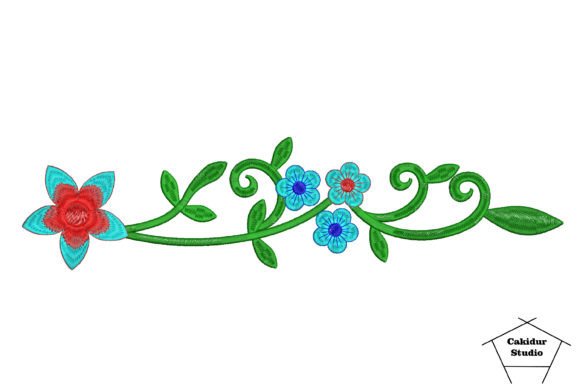
As an embroidery designer who has spent years digitizing patterns and consulting for small businesses, I approach every new machine embroidery design with a critical eye. It is not enough for a pattern to look pretty on a screen; it must perform under the needle, withstand washing, and elevate the brand it represents. Today, I am reviewing the Floral Design with Cicle Applique, a piece categorized under Borders, to determine its viability for commercial use in patches, apparel, and branded merchandise.
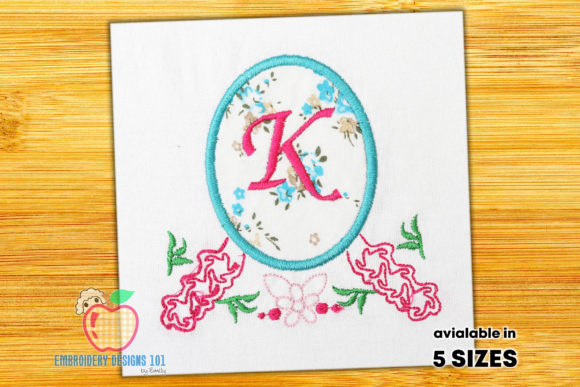
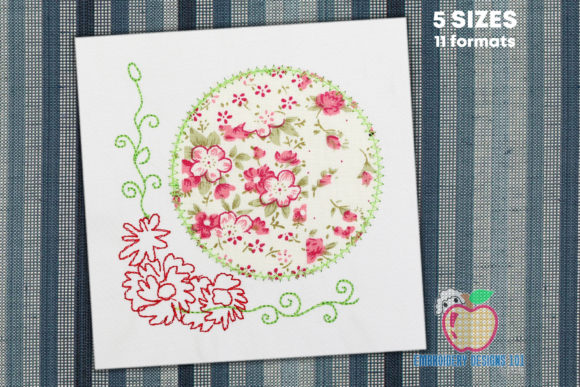
The first impression of this design is one of structured elegance mixed with organic warmth. The term "Cicle" suggests a circular or cyclical motif, likely framing floral elements in a way that creates a cohesive badge or emblem. For small business owners, this shape is invaluable. Circular designs are inherently balanced, making them ideal for left-chest logos on uniforms, center placements on tote bags, or standalone embroidered patches. The aesthetic feels both classic and decorative, bridging the gap between rustic handmade charm and professional corporate branding.
Visual Personality and Brand Alignment
When selecting design assets for a brand, consistency is key. The Floral Design with Cicle Applique offers a versatile visual personality. It does not scream modern minimalism, nor does it feel overly ornate or baroque. Instead, it sits comfortably in a space that feels friendly, premium, and established. This makes it an excellent choice for industries such as boutique florists, artisanal bakeries, pet brands, and creative studios.
For a local café or a handmade shop, this design can serve as a central anchor for their brand identity. The floral elements suggest growth, nature, and care, while the circular applique structure provides a sense of completeness and professionalism. When used on customer gifts or event merch, it communicates attention to detail. Buyers often equate the quality of embroidery with the quality of the product itself. A well-executed floral border signals that the business values craftsmanship, thereby increasing customer trust and perceived product value.
Performance in Real-World Applications
The true test of any digital embroidery file is how it translates to physical goods. Based on the description, this design comes with multiple embroidery file formats and features steps separated by color changes. This technical specification is crucial for production efficiency. Color stops allow the machine operator to switch threads seamlessly, which is essential when working with complex palettes or when using specific brand colors for custom apparel.
Ideal Use Cases for Small Business Merch
- Embroidered Patches: The circular nature of the design makes it perfect for cut-edge or merrowed edge patches. These can be sold as standalone products or used to brand packaging.
- Apron Embroidery: For bakeries and florists, placing this design on the bib of an apron creates a uniform look that is both functional and promotional. The floral theme aligns naturally with these industries.
- Tote Bag Design: A medium-sized hoop placement on canvas totes allows the details of the floral elements to shine. It transforms a simple bag into a walking advertisement for the brand.
- Cap Embroidery: While caps require careful handling due to curvature, a simplified version of this design could work beautifully on the front panel, offering a subtle yet recognizable brand mark.
- Staff Uniforms: Used as a chest logo on polo shirts or work jackets, it adds a touch of sophistication that plain text logos often lack.
In the realm of commercial embroidery, versatility is profit. Because this design is categorized under Borders, it can also be used to frame text. Imagine adding a business name or slogan inside the circular applique area. This flexibility allows Etsy sellers and merch creators to customize the design for different clients without needing entirely new digitization.
Technical Considerations and Potential Pitfalls
While the aesthetic appeal is strong, practical application requires caution. As a designer, I always advise testing before full-scale production. Here are specific areas where the Floral Design with Cicle Applique requires careful evaluation:
Stitch Density and Fabric Texture: Floral designs often involve satin stitches for petals and leaves. If the stitch density is too high, it can cause puckering, especially on lighter fabrics like cotton tees or linen aprons. Conversely, if the density is too low, the fabric may show through, ruining the finished look. Always test on the actual fabric you intend to use. For textured fabrics like towels or heavy canvas, ensure the underlay stitches are sufficient to stabilize the top stitching.
Small Patch Sizes: If you plan to shrink this design for small labels or tiny patches, inspect the spacing between elements. Fine details in floral designs can merge together when scaled down, creating a muddy appearance. Check if the design retains its clarity at smaller sizes. If the "cicle" or circular border becomes too thin, it may break during wear or washing.
Curved Surfaces: Applying this to cap fronts or curved sleeves requires proper hooping techniques. The circular symmetry helps, but distortion can occur if the stabilizer is not adequate. Use a stiff cut-away stabilizer for caps to maintain the shape of the circle and prevent the design from warping over time.
Thread Color Contrast: The description mentions steps separated by color changes. This is an opportunity, but also a challenge. Ensure there is enough contrast between the floral elements and the background fabric. On dark uniforms, you may need to adjust thread colors or add a white underlay to make the design pop. Test the design in black and white first to verify that the shapes are distinct even without color differentiation.
Enhancing Brand Value Through Quality Execution
Using a high-quality embroidery file like this one directly impacts buyer engagement. In the age of online shopping, customers rely on visual cues. A crisp, well-stitched floral emblem on a product photo suggests a premium handmade product. It differentiates your brand from competitors who might use cheap prints or low-quality embroidery.
For Etsy sellers and crafters, this design can be part of a broader suite of design assets. Create a printable mockup showing the design on various items—mugs (as a printed reference), shirts, and bags—to help clients visualize the final result. This pre-sales strategy reduces hesitation and increases conversion rates. Furthermore, consistent use of this floral motif across all touchpoints, from business cards to packaging inserts, reinforces brand recognition.
Practical Designer Notes for Production
Before running this design on your production machines, follow these steps to ensure a professional finished product:
- Verify File Details: The product description states it comes with multiple file formats. Confirm that you have the correct format for your specific machine (e.g., PES, DST, JEF). Check the recommended hoop size to ensure it fits your equipment.
- Check Licensing: Always confirm commercial licensing terms before using the design for client work or resale. Ensure you are compliant with the creator's usage rights.
- Test Stitch Out: Run a test stitch on similar fabric. Inspect the registration of the applique pieces. Ensure the floral elements align correctly with the circular border.
- Select Proper Stabilizer: Match the stabilizer to the fabric. Use tear-away for stable woven fabrics and cut-away for stretchy knits or items that will undergo frequent washing.
- Create Client Mockups: If using this for a client, generate a digital mockup to get approval on placement and color choices. This prevents costly reworks.
- Evaluate Wash Durability: Wash the test sample to check for thread bleeding or fabric distortion. This step is critical for items like aprons and uniforms that require regular cleaning.
In conclusion, the Floral Design with Cicle Applique is a promising asset for small business merchandise. Its blend of organic floral elements and structured circular framing offers a professional yet approachable look. By paying attention to technical details like stitch density, stabilizer choice, and scale, embroidery professionals can leverage this design to create high-value branded items. Whether used for a boutique’s tote bags, a café’s aprons, or custom patches, this design has the potential to enhance brand identity and drive customer loyalty through superior visual presentation.