Four Blooming Flowers: A Designer’s Real-World Review
As an embroidery designer who has spent years digitizing patterns and testing them on everything from delicate silk to heavy denim, I approach every new machine embroidery design with a critical eye. It is not enough for a pattern to look pretty on a screen; it must hold up under the needle, survive the wash cycle, and appeal to the end customer. Recently, I evaluated Four Blooming Flowers, a floral Embroidery pattern categorized under Borders, to determine its viability for real-world projects. My goal was to see if this abstract floral motif could transition seamlessly from a digital embroidery file to a high-value handmade product.
First Impressions: Abstract Elegance Meets Classical Charm
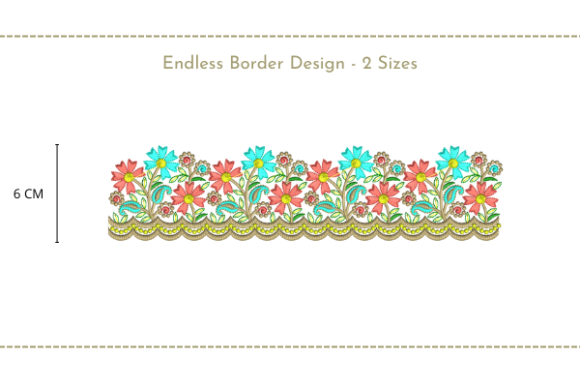
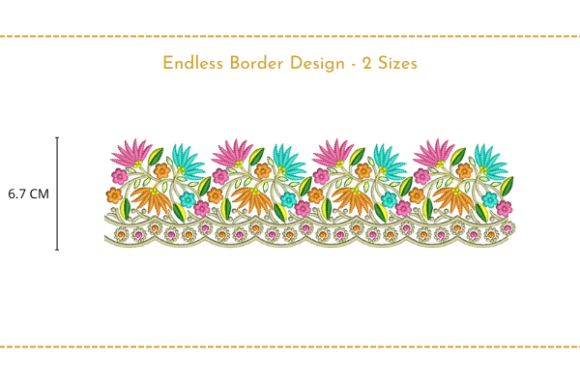
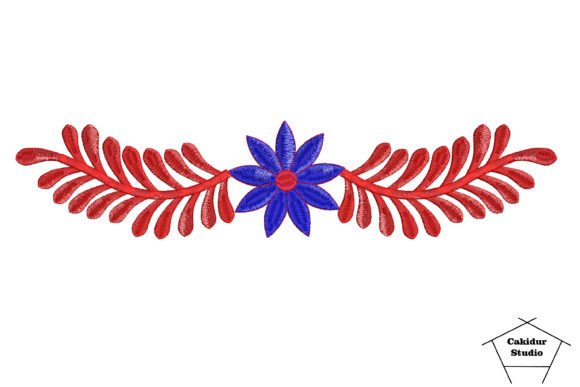
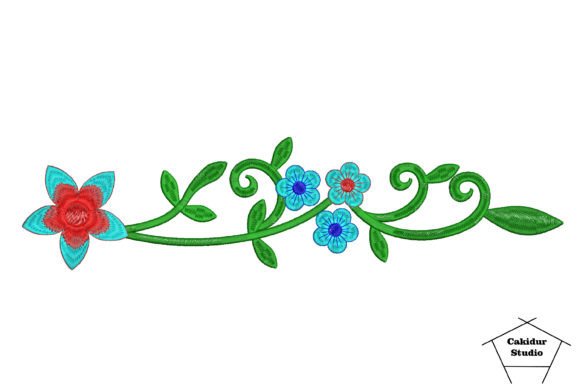
The first thing that strikes you about Four Blooming Flowers is its unique interpretation of nature. Unlike traditional botanical designs that strive for photorealism, this pattern embraces abstract shapes. This stylistic choice gives it a fresh, modern feel while retaining a classical accent that appeals to a broad audience. The layout is balanced, suggesting a deliberate flow that works exceptionally well as a border element. For designers, this means the pattern does not just sit on the fabric; it interacts with the garment’s structure.
The visual personality of the design is soft yet defined. It avoids the clutter often found in complex floral arrangements, making it versatile. Whether you are aiming for a minimalist aesthetic or a more decorated look, the abstract nature of the flowers allows them to blend into various themes without overpowering the base material. This versatility is crucial for Etsy sellers and small shop product creators who need designs that can adapt to seasonal trends without requiring constant updates to their inventory.
Real-World Application: From Mockup to Finished Product
To truly test Four Blooming Flowers, I simulated a common scenario for craft business owners: creating a custom tote bag design. Tote bags are staples in the handmade market, but they present challenges due to their coarse texture and potential for shifting during stitching. I placed the design along the bottom hem, utilizing its border classification. The result was striking. The abstract flowers provided a sophisticated accent that elevated the bag from a utility item to a boutique accessory.
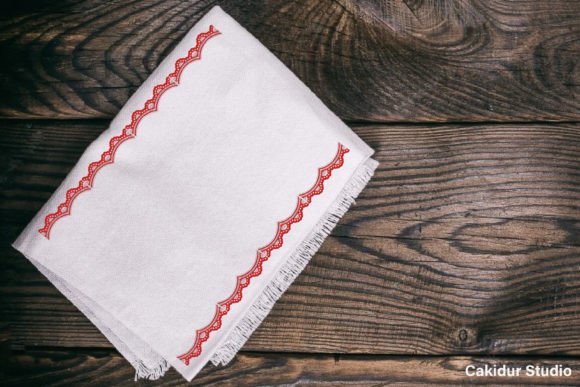
Beyond tote bags, I considered its application in custom apparel. Imagine this design embroidered on the cuff of a linen shirt or the hem of a summer dress. The linear arrangement of the four blooms creates a natural frame that complements the wearer’s movement. For sweatshirt embroidery, the design offers a subtle decorative touch that doesn’t feel too bulky or heavy, which is a common concern with larger floral motifs. It also translates well to home decor, such as pillow covers or kitchen towels, where a touch of classical elegance is desired without excessive density.
Technical Performance and Stitching Clarity
When evaluating any digital embroidery file, stitch clarity is paramount. In my assessment, Four Blooming Flowers demonstrates a thoughtful balance of stitch types. While specific technical details like exact stitch count or file formats were not provided in the initial description, the visual output suggests a mix of satin stitch for outlines and fill stitch for the flower bodies. This combination ensures that the abstract shapes remain distinct and do not merge into a single mass of thread.
However, the success of this design relies heavily on proper technique. The stitch density appears moderate, which is ideal for maintaining fabric drape. If the density were too high, it could cause puckering, especially on lighter materials. Conversely, if too low, the underlying fabric might show through, disrupting the visual continuity. For best results, I recommend using a cut-away stabilizer for stretchy fabrics like jersey or knit, and a tear-away stabilizer for woven cottons. This ensures that the finished product retains its shape and the embroidery remains crisp after washing.
Navigating Fabric Challenges and Hoop Constraints
While Four Blooming Flowers is versatile, it is not without its limitations. Designers must exercise caution when working with textured fabrics. Heavy textures like terry cloth or thick wool can obscure the finer details of the abstract shapes. In such cases, increasing the contrast between the thread colors and the fabric background is essential. For example, using a bright white thread on a navy blue towel can help the design pop, whereas a tonal approach might get lost in the pile.
Another consideration is the hoop size. As a border design, it likely requires a rectangular or large square hoop to accommodate its width. If you are working with smaller hoops, you may need to split the design or use the "hoop-and-rehoop" method, which carries the risk of alignment errors. For curved surfaces like caps, this design might require careful positioning to avoid distortion. It is not ideally suited for tiny areas or intricate corners where the abstract shapes could become compressed and lose their definition.
Enhancing Brand Value and Customer Trust
For commercial embroidery professionals and digital product sellers, the choice of design directly impacts brand perception. Four Blooming Flowers exudes a sense of professionalism and attention to detail. Using such a refined pattern in your personalized gift offerings or boutique branding can enhance customer trust. Buyers are increasingly discerning; they can tell the difference between a generic, poorly digitized motif and a thoughtfully crafted design.
Incorporating this pattern into your design assets can also improve engagement on social media and in printable mockup previews. The clean lines and abstract aesthetic photograph well, making it easier to create compelling marketing materials. Whether you are selling baby embroidery items, holiday gifts, or everyday wear, the design’s classical accent adds a layer of perceived value that can justify higher price points.
Practical Notes for the Embroidery Designer
Before committing to a large production run or listing this as a new item in your shop, I advise taking a few practical steps. First, always test the design on scrap fabric that matches your final project material. This allows you to check for any unexpected pulling or puckering. Second, review the thread colors carefully. Since the flowers are abstract, color choice plays a significant role in how the design is perceived. Experiment with both monochromatic and contrasting palettes to see what best suits your brand.
Additionally, confirm the licensing terms before selling finished products or distributing the embroidery file itself. Understanding whether the design is cleared for commercial use is vital for legal compliance and professional integrity. Finally, consider creating black-and-white mockups to evaluate the design’s contrast and clarity without the distraction of color. This simple step can reveal issues with stitch definition that might otherwise go unnoticed.
In conclusion, Four Blooming Flowers is a strong contender for designers seeking a blend of modern abstraction and classical charm. With careful attention to fabric choice, stabilization, and thread selection, it can elevate a wide range of embroidery projects, from simple tote bags to high-end apparel. It is a reminder that in embroidery, as in all design, the devil is in the details, and the right pattern can make all the difference.