Cutwork Endless Border: A Designer’s Review
As an embroidery designer who has spent years digitizing patterns and testing them on everything from delicate silk to heavy denim, I approach every new machine embroidery design with a mix of curiosity and skepticism. We have all been there: you download a beautiful file, load it onto your machine, and watch in horror as the thread nests or the fabric puckers. That is why I took extra time to evaluate the Cutwork Endless Border. This is not just another floral pattern; it is a structural element that demands respect in how it is stitched and where it is placed.
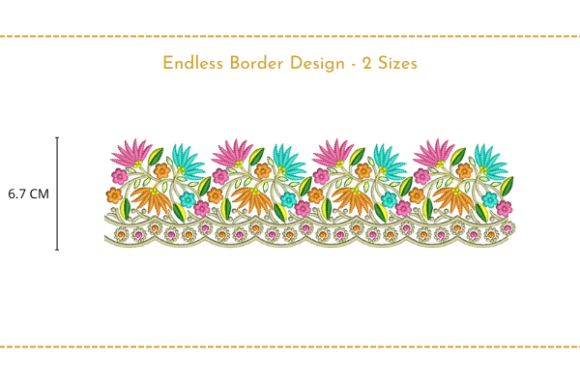
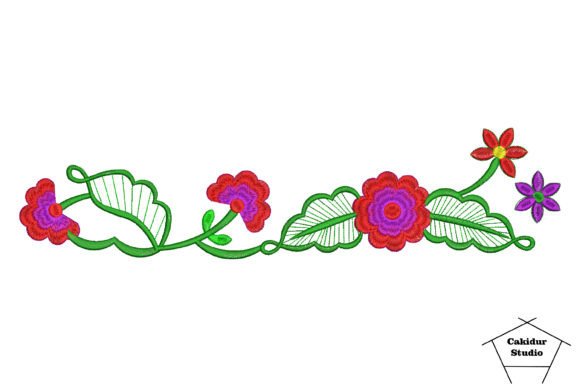
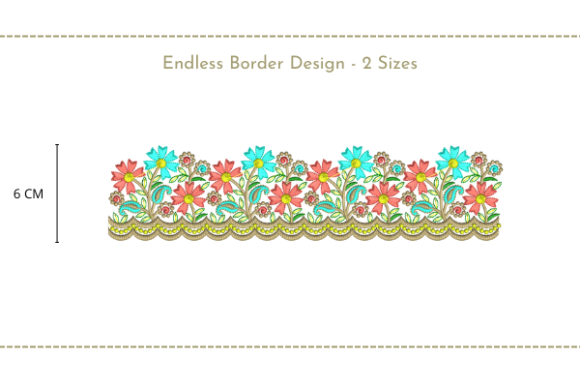
The first impression of this embroidery file is one of elegant continuity. Unlike standalone motifs that sit isolated on a garment, an endless border is designed to flow. The floral elements are arranged to connect seamlessly, creating a ribbon of decoration that can wrap around a hem, cuff, or neckline without an awkward break. For those of us running a craft business or selling on Etsy, this continuity is a massive selling point. It suggests a level of professionalism and finish that single motifs sometimes lack.
Visual Appeal and Design Personality
The mood of the Cutwork Endless Border is distinctly feminine yet robust. The floral shapes are not overly intricate to the point of becoming a stitching nightmare, but they possess enough detail to look expensive. In my review, I noticed that the balance between open space and stitched areas is well-considered. This is crucial for cutwork styles, where the negative space is just as important as the thread. If the design were too dense, it would stiffen the fabric unnecessarily. If it were too sparse, it would lack impact.
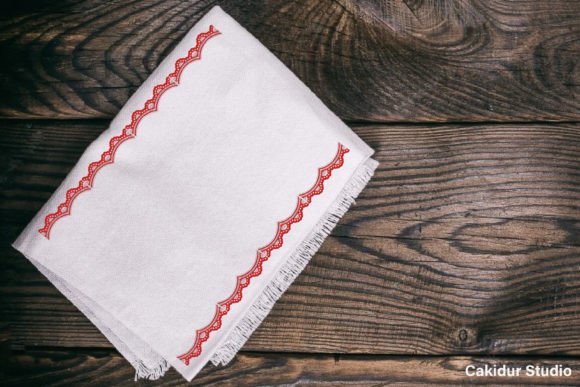
This design fits naturally into the category of Borders that elevate simple items. Imagine a plain white linen tablecloth. Without embellishment, it is functional but forgettable. Add this border along the edge, and suddenly it becomes a heirloom piece. The same logic applies to fashion. A basic cotton tote bag transforms into a boutique item when adorned with this continuous floral chain. It creates a visual rhythm that draws the eye across the product, enhancing the perceived value of the handmade product.
Real-World Application: The Tote Bag Test
To truly understand how this design performs, I simulated a real-life scenario: creating a set of custom grocery totes for a local farmer’s market vendor. The goal was to create durable, attractive bags that could withstand frequent washing while looking chic. I chose a medium-weight canvas for the test.
Stitching the Cutwork Endless Border on canvas required careful attention to stabilizer choice. Because borders often cover a long, narrow area, the tension can pull the fabric if not supported correctly. I used a cut-away stabilizer to ensure the stitches remained crisp and did not distort over time. The result was impressive. The floral elements lay flat, and the connections between the flowers were smooth. There was no bunching, which is a common issue with long, continuous designs.
This experience highlighted why this design is ideal for custom apparel and home decor. Whether you are making sweatshirt embroidery for a bridal party or adding detail to pillow covers, the consistent quality of the stitch-out builds customer trust. When a buyer sees a clean, professional border, they assume the rest of the construction is equally high-quality. It is a subtle psychological cue that boosts conversion rates for Etsy sellers and small shop owners.
Fabric Considerations and Technical Nuances
While the design is versatile, it is not universal. As a reviewer, I must point out where caution is needed. Cutwork and open-lace styles rely on the stability of the base fabric. Using this on very thin, stretchy fabrics like jersey or lightweight rayon requires extreme care. Without proper hooping and possibly a water-soluble topping, the needles might punch through the fabric rather than piercing it cleanly, leading to holes or distorted shapes.
For baby embroidery projects, such as blanket edges or nursery decor, the softness of the final product is paramount. I recommend testing the design on scrap fabric first to check the hand feel. If the thread colors are thick or the density is high, it might feel scratchy against sensitive skin. In such cases, using softer rayon threads instead of polyester can mitigate this issue. Additionally, always check the hoop size compatibility. Since this is an endless border, you will likely be using the "hoop-and-move" method or a large multi-position hoop. Ensure your machine can handle the repeated re-hooping without losing alignment, as even a millimeter off can break the seamless illusion.
Dark fabrics present another challenge. Light-colored threads on dark backgrounds can show gaps if the stitch density is not sufficient. I advise reviewing the design in a black-and-white mockup before stitching. This helps you visualize contrast and identify any potential weak spots in the coverage. If you are creating a personalized gift or a high-end commercial embroidery piece, these small details define the difference between amateur and professional work.
Commercial Viability and Branding
For digital product sellers and creative entrepreneurs, the Cutwork Endless Border is a valuable asset. It can be used to create stunning printable mockups that showcase your design skills without needing to stitch every sample physically. However, always confirm licensing terms before selling finished items or digital products. Most designers allow commercial use for physical goods, but restrictions may apply to reselling the digital embroidery file itself.
Incorporating this border into your product line can help establish brand consistency. If you specialize in cottage-core aesthetics or vintage-inspired home goods, this floral motif aligns perfectly with that narrative. It works beautifully on kitchen towels, aprons, and even as an accent on caps or hats, provided the curvature of the cap does not distort the linear nature of the border. For curved surfaces, consider breaking the border into smaller segments rather than attempting a continuous run, unless you have advanced skills in managing fabric tension on curved hoops.
Final Verdict and Practical Tips
The Cutwork Endless Border is a strong contender for any designer’s library. It offers flexibility, elegance, and a high perceived value. To get the best results, follow these practical steps:
- Test on Scraps: Always stitch a sample on the exact fabric you plan to use. Check for puckering and thread breaks.
- Check Density: Review the stitch count and density. If it seems too dense for your fabric, consider scaling it up slightly to reduce stitches per inch.
- Contrast Matters: Choose thread colors that complement the fabric. High contrast highlights the design; low contrast offers a subtle, tonal look.
- Stabilize Properly: Use the right stabilizer for the fabric weight. Cut-away for knits, tear-away for wovens, and water-soluble for delicate or sheer fabrics.
- Verify Licensing: Ensure you have the right to use the design for commercial purposes if you are selling the finished product.
In conclusion, this design is more than just a pretty pattern. It is a tool for elevating your craft. Whether you are creating a holiday embroidery gift, a wedding gift, or stock for your small shop product lineup, the Cutwork Endless Border delivers the polish and professionalism that customers crave. It respects the medium of Embroidery by balancing artistic flair with technical feasibility. For designers who value both aesthetics and practicality, this is a design worth keeping in your active rotation.