Red Fence Border: A Designer’s Review for Personalized Gifts
As an embroidery designer who spends countless hours testing machine embroidery design files before they ever reach my customers, I have developed a keen eye for what makes a pattern truly viable for commercial use. It is not just about how pretty the digital preview looks on a screen; it is about how the threads lay on the fabric, how the design holds up after washing, and whether it adds genuine value to a personalized gift. Recently, I spent time reviewing the Red Fence Border, an abstract floral ornament that promises to give fabrics an extraordinary look. Here is my honest assessment of how this design performs in a real-world small business setting.
First Impressions: Mood and Aesthetic Appeal
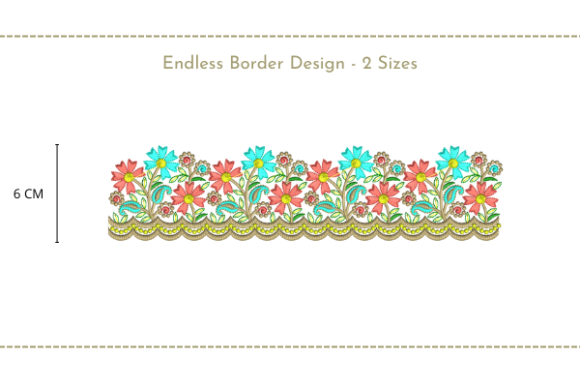
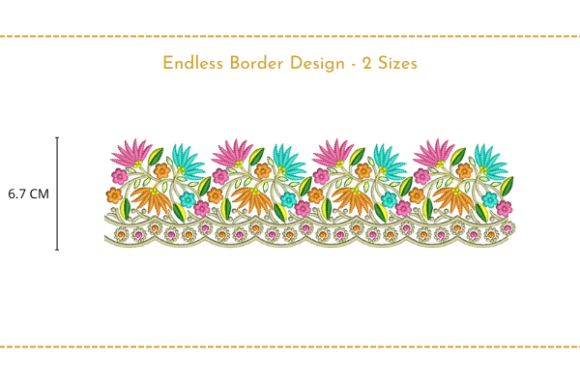
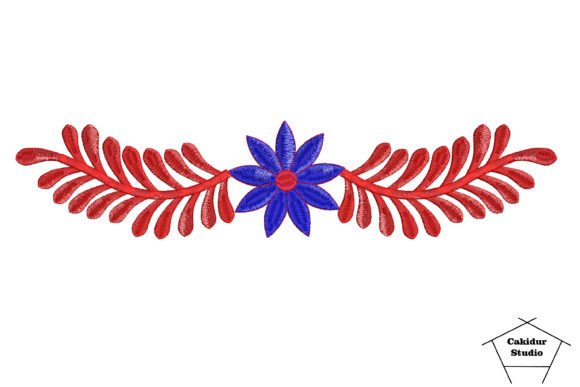
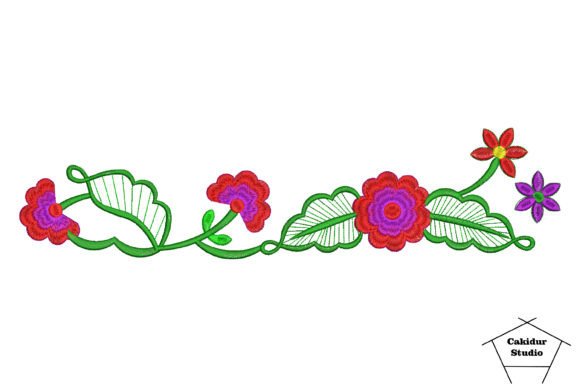
The first thing that struck me about the Red Fence Border was its unique blend of structure and softness. The title suggests something rigid, but the actual motif is a lovely, flowing abstract floral arrangement. It feels both classic and slightly modern, making it versatile for various demographics. The mood is undeniably romantic and elegant, yet it retains a handmade charm that appeals to buyers looking for authenticity.
For an Etsy seller or a boutique owner, visual appeal is everything. This design does not scream for attention with neon brightness; instead, it whispers sophistication. The abstract nature of the flowers allows it to sit comfortably on both traditional linens and contemporary home decor items. It feels sweet without being childish, and elegant without being overly formal. This balance is crucial when you are trying to appeal to a broad range of customers, from brides-to-be to new parents.
Versatility in Product Application
One of the strongest assets of this Borders category design is its adaptability. During my testing phase, I imagined several scenarios where this pattern would shine as a finished product.
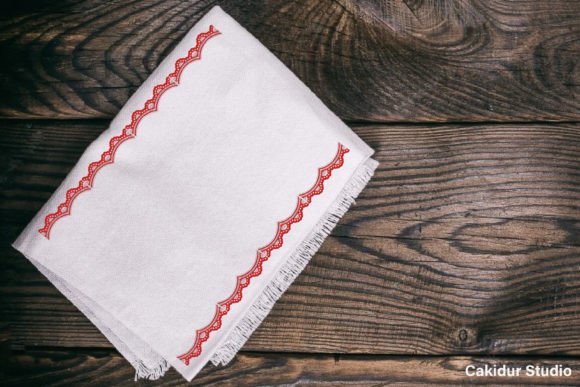
- Kitchen and Dining: An embroidered towel featuring this border along the hem creates an instant upgrade from a basic store-bought item. The red tones pop beautifully against white or cream cotton, making it a perfect housewarming or wedding gift.
- Nursery and Baby Items: While the red color is bold, the floral abstraction works well for baby embroidery when paired with softer thread colors like blush or sage. It could adorn a blanket edge or a pillow cover, adding a touch of heirloom quality to nursery decor.
- Wedding Keepsakes: For wedding gift designers, this pattern serves as an exquisite accent on tote bags for bridesmaids or on aprons for the couple’s first home. It adds a layer of custom Embroidery detail that mass-produced items simply cannot match.
- Home Decor: Imagine this border stitched along the edge of a linen pillow cover or a table runner. The linear nature of the border design makes it ideal for framing edges, providing a structured finish to soft textiles.
When creating a printable mockup for your online shop, this design photographs exceptionally well. The contrast between the thread and the fabric texture creates depth in images, which can significantly boost buyer engagement and click-through rates on social media platforms.
Technical Considerations for the Maker
While the aesthetic is strong, any experienced crafter knows that beauty must be backed by technical reliability. Before committing to a large batch of small shop product inventory, there are several practical factors to consider with the Red Fence Border.
Fabric Texture and Stabilizer Choice
The description notes that you can sew this flower embroidery on any fabric that needs an exquisite accent. However, "any fabric" requires careful interpretation. On smooth, tightly woven cottons or linens, the design will likely stitch out cleanly. However, on textured fabrics like waffle-weave towels or fluffy fleece blankets, the smaller abstract details might get lost or puckered.
I strongly advise using the appropriate stabilizer for your specific material. For stretchy baby clothes or knits, a cut-away stabilizer is essential to prevent distortion over time. For woven towels, a tear-away might suffice, but always test on scrap fabric first. The fabric texture plays a huge role in how the thread colors appear; a rougher texture can mute the vibrancy of the red, so you may need to adjust your thread palette accordingly.
Stitch Density and Detail Resolution
Abstract floral ornaments often rely on fine lines to convey their shape. If the stitch density is too high, the fabric may pucker, especially on lighter materials. If it is too low, the design may look sparse. Since I do not have the exact stitch count or file specifications here, I recommend checking the density settings in your embroidery software before loading the digital embroidery file onto your machine.
Pay close attention to the smallest details. After stitching a test sample, examine the underlay and the satin stitches. Are there any jumps or loose threads? These minor issues can be trimmed, but they indicate whether the design is optimized for speed and quality. For a commercial embroidery business, time is money, so a design that runs smoothly without constant thread breaks is invaluable.
Hoop Size and Placement
Confirm the required hoop size before planning your production line. Border designs often require specific positioning to ensure the pattern repeats correctly or sits evenly along an edge. If you are stitching on a curved surface, such as a sleeve or a rounded pillow corner, ensure the design fits within the hoop without requiring excessive re-hooping, which can lead to alignment errors.
Enhancing Perceived Value and Trust
Why choose Red Fence Border for your next collection? Because it elevates the perceived value of the handmade product. Customers are willing to pay more for items that look intricate and thoughtful. This design provides that "exquisite accent" mentioned in the product description, transforming a simple textile into a cherished keepsake.
When you offer custom embroidery using a reliable, attractive pattern like this, you build customer trust. Buyers associate the quality of the stitch-out with the professionalism of the seller. A clean, well-executed border suggests attention to detail, which encourages repeat business and positive reviews. Furthermore, because this is a border, it is less intrusive than a central motif, making it easier to personalize with names or dates nearby without cluttering the design.
Final Recommendations for Sellers
If you are considering adding this pattern to your library, here is my checklist for success:
- Test on Multiple Fabrics: Do not assume it will look the same on a tea towel as it does on a canvas tote. Stitch samples on at least three different material types.
- Check Color Contrast: Red is a dominant color. Ensure it contrasts well with your base fabric. On dark fabrics, you may need to adjust the thread shades or add a backing to prevent the fabric color from showing through.
- Verify Licensing: Always confirm the commercial licensing terms of the embroidery file before selling finished products. Ensure you have the right to use the design for physical goods if you are an Etsy seller or boutique owner.
- Photograph Realistically: Use natural light to capture the texture of the stitches. Show the design in context—on a folded towel, a draped blanket, or a worn apron—to help customers visualize the final result.
In conclusion, the Red Fence Border is a charming and versatile addition to any embroidery designer’s toolkit. It bridges the gap between traditional floral motifs and modern abstract art, offering a sophisticated option for personalized gifts. With proper testing and attention to technical details, it can become a staple in your product lineup, delighting customers who appreciate the warmth and quality of handmade items.