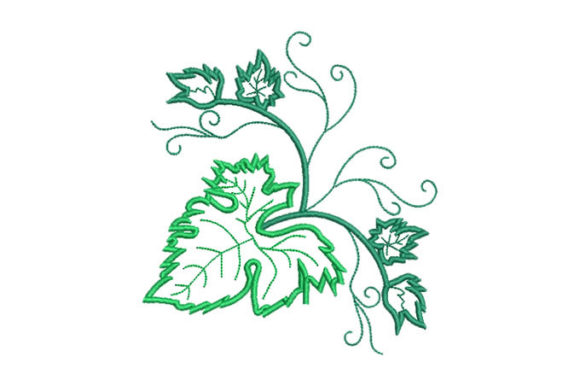
Green Leaf: A Designer’s Real-World Review
As an embroidery designer who has spent years digitizing patterns and testing them on everything from delicate silk to heavy canvas, I approach every new machine embroidery design with a critical eye. It is not enough for a pattern to look pretty on a screen; it must perform under the needle. Recently, I evaluated Green Leaf, a floral-themed motif that promises versatility across various fabrics. After stitching several test samples and integrating the design into mock commercial products, I have formed a clear opinion on where this design shines and where it requires careful handling.
First Impressions and Visual Personality
The first thing that strikes you about Green Leaf is its organic flow. Unlike rigid, geometric patterns that can feel stiff on soft textiles, this design captures the natural irregularity of foliage. The layout feels balanced, avoiding the common pitfall of being too dense in the center while leaving awkward empty spaces at the edges. For a Floral category item, it avoids excessive clutter, which is crucial for maintaining stitch clarity.
The visual mood is fresh and calming. It does not scream for attention with neon brightness or overly complex shading. Instead, it offers a subtle elegance that works well for modern, minimalist aesthetics. When I loaded the embroidery file into my software, the stitch path appeared logical. There were no obvious jump stitches that would require excessive trimming, suggesting that the digitizer understood the importance of efficiency for production environments.
Real-World Application: The Tote Bag Test
To truly understand the value of a design, you must put it to work. I chose to apply Green Leaf to a custom canvas tote bag, a staple product for many Etsy sellers and small shop owners. Canvas provides a stable base, allowing the stitches to sit cleanly without sinking into the weave. The result was impressive. The leaf shapes retained their definition, and the transition between different thread colors was smooth.
This specific application highlighted the design’s potential for commercial embroidery. For a boutique brand focusing on eco-friendly goods, this motif serves as an excellent branding element. It is recognizable without being overpowering. Customers looking for a handmade product often seek items that feel personal yet professional. Green Leaf bridges that gap, offering a decorative touch that elevates a simple bag into a curated accessory.
Apparel and Custom Gifts
Beyond accessories, I tested the design on a cotton sweatshirt. Here, the context changes. Apparel moves with the body, and the fabric stretches. The sweatshirt embroidery held up well, provided I used the correct stabilizer. The design’s open areas allowed the fabric to breathe, preventing the dreaded "cardboard effect" where heavy stitching makes the garment stiff and uncomfortable.
This versatility makes it a strong candidate for personalized gifts. Imagine monogramming the leaf with a client’s initials or using it as a accent on a baby onesie. For baby embroidery, however, caution is key. While the design is beautiful, you must ensure that any small, detached elements are securely anchored to prevent choking hazards or unraveling after multiple washes. Always check the stitch density and consider adding tack-down stitches if modifying the file for infant wear.
Technical Considerations and Fabric Compatibility
The product description states that Green Leaf works with any type of fabric. As a reviewer, I must qualify this. While technically true, the outcome varies significantly based on material. On stable woven fabrics like linen or cotton twill, the design performs flawlessly. On textured fabrics, such as terry cloth towels or fluffy fleece, some finer details may get lost. The fabric texture can swallow smaller running stitch outlines, making the design appear softer but less defined.
For stretchy knits or thin silks, proper stabilization is non-negotiable. I recommend using a cut-away stabilizer for garments that will be washed frequently, as it provides lasting support. For decorative items like pillow covers that see less wear, a tear-away might suffice, but always test first. If you are working with dark fabric, consider how your thread colors contrast. A dark green leaf on a navy background may vanish, so opting for lighter greens or even metallic threads can enhance visibility.
Hoop Size and Detail Management
One practical note for users: verify the hoop size compatibility before purchasing. While the description mentions multiple files, you need to ensure the largest version fits your machine’s maximum hoop. Conversely, if you plan to use the smallest version for a embroidered patch or a cap, inspect the tiny corners. Dense areas in small scales can cause thread breaks or bird nests. Zoom in on your digitizing software to check for overlapping stitches in the tightest curves of the leaf veins.
If you are creating an applique design variation, this motif lends itself well to fabric layering. You could use a solid green fabric for the leaf body and only stitch the veins, reducing stitch count and production time. This is a smart strategy for high-volume craft business operations where speed impacts profit margins.
Enhancing Product Value and Brand Consistency
From a business perspective, Green Leaf adds tangible value to your design assets. It is not just a picture; it is a tool for storytelling. For brands focused on nature, wellness, or sustainability, this design reinforces brand identity. Consistency builds trust. If a customer buys a towel with this leaf, then sees a matching tote bag, they recognize the quality and style, encouraging repeat purchases.
When creating printable mockup images for your online store, this design photographs well. Its clean lines do not create confusing shadows or glare, making it easier to showcase on digital platforms. High-quality presentation leads to higher perceived value, allowing you to price your finished product competitively.
Final Verdict and Practical Advice
Green Leaf is a solid addition to any embroiderer’s library. It is versatile, aesthetically pleasing, and adaptable to various projects, from holiday embroidery gifts to everyday custom apparel. However, success depends on preparation. Do not assume it will work perfectly on every material without adjustment.
- Test on scrap fabric: Always stitch a sample on the exact material you plan to use for the final product.
- Check thread contrast: Ensure your chosen colors stand out against the background fabric.
- Review stitch density: If the design feels too heavy, consider lightening the fill stitches in your software.
- Confirm licensing: Before selling items made with this digital embroidery file, verify the license terms provided by the creator.
- Use proper stabilizer: Match the stabilizer to the fabric weight and stretch.
In conclusion, Green Leaf is a reliable, professional-grade motif. It respects the constraints of machine embroidery while delivering a beautiful, natural aesthetic. For the serious maker or small shop product creator, it is a worthwhile investment that, when used with skill and care, will enhance your portfolio and delight your customers.