Bee Girl Gnome: A Designer’s Review for Real Projects
As a designer who spends more time staring at stitch maps than actual fabric, I have learned to be skeptical of cute concepts. The market is flooded with whimsical characters, but few translate well from a digital preview to a tangible finished product. When I first loaded the Bee Girl Gnome file into my editing software, I was looking for potential pitfalls: excessive jump stitches, poorly defined edges, or density that would turn soft cotton into cardboard. What I found was a surprisingly balanced composition that bridges the gap between playful charm and professional execution.
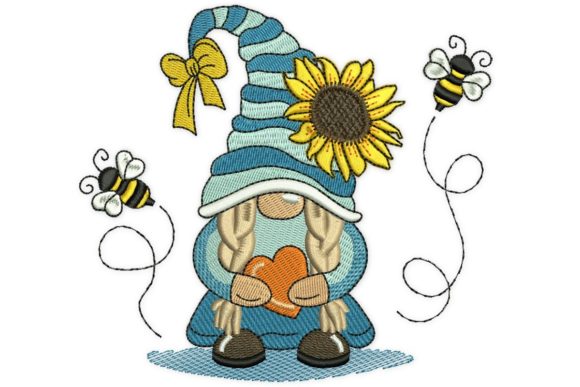
This machine embroidery design falls under the Floral category, yet it feels more like a character-driven narrative piece. The integration of botanical elements with the gnome figure creates a cohesive visual story. For embroidery designers and small business owners, this distinction matters. It is not just a picture; it is a mood. In this review, I will break down how this design performs in real-world scenarios, from custom apparel to boutique home decor, and what you need to know before putting it on your hoop.
First Impressions and Visual Personality
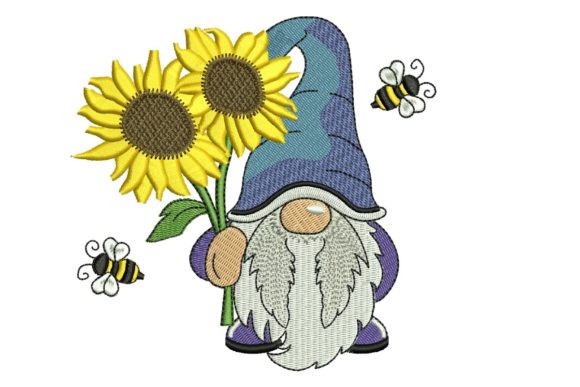
The immediate appeal of Bee Girl Gnome lies in its approachable elegance. It avoids the cluttered look that plagues many complex designs. The layout is centered and balanced, which makes it versatile for various hoop sizes. The theme blends the rustic warmth of garden gnomes with the delicate intricacy of bees and flowers. This combination creates a soft, inviting aesthetic that works particularly well for spring and summer collections.
From a technical standpoint, the transition between different stitch types appears smooth. The design likely utilizes a mix of satin stitch for outlines and finer details, and fill stitch for broader areas like the gnome’s hat or wings. This variation is crucial for visual depth. If every element were filled densely, the design would look flat and heavy. Instead, the interplay of textures suggests a lightness that is essential for modern embroidery project standards. The visual personality is friendly but refined, making it suitable for both children’s items and adult home decor.
Real-World Application: From Mockup to Market
To truly evaluate an embroidery file, you must imagine it on a product. I recently considered this design for a custom tote bag design project for a local farmer’s market vendor. The client wanted something that screamed "handmade" without looking amateur. Bee Girl Gnome fit the bill perfectly. On a natural canvas tote, the earthy tones of the gnome and the vibrant yellows of the bee would pop against the neutral background. The design’s scale is ideal for a standard pocket placement or a central chest position on a tote.
Beyond bags, this design shines in custom apparel. Imagine it embroidered on the left chest of a linen shirt or the back of a denim jacket. The whimsical nature of the gnome adds a touch of personality that customers love in small shop product lines. For Etsy sellers, this versatility is a goldmine. You can market it as part of a "Garden Party" collection, pairing it with floral motifs for a cohesive brand identity. It also works beautifully for personalized gift items, such as adding a name below the gnome for a birthday present or a baby shower gift.
For those focusing on baby embroidery, the soft curves and lack of aggressive angles make it safe and appealing for nursery decor. A pillow cover featuring this design could become a centerpiece in a child’s room. However, when scaling down for smaller items like bibs or socks, you must check the minimum stitch length. Tiny details can get lost if the design is reduced too much, so always test a smaller version on scrap fabric first.
Technical Considerations and Fabric Compatibility
While Bee Girl Gnome is described as easy to stitch, "easy" is relative to your setup. The success of any commercial embroidery job depends on the interaction between thread, fabric, and stabilizer. This design, with its mix of detailed elements, requires careful attention to stitch density. If you are stitching on thin or stretchy fabric, such as a lightweight t-shirt or jersey, using a cut-away stabilizer is non-negotiable. A tear-away might leave behind residue or fail to support the weight of the stitches, leading to puckering.
Textured fabrics present another challenge. If you are stitching on a waffle-knit towel or a rough linen, the finer details of the bee’s wings or the gnome’s facial features might get swallowed by the fabric texture. In these cases, consider using a topping stabilizer to keep the stitches sitting on top of the fabric rather than sinking in. For dark fabrics, ensure your thread colors have enough contrast. A dark brown thread on black fabric will vanish, ruining the definition of the design. Always run a test stitch-out to verify visibility.
Curved surfaces, like caps or hats, require extra caution. The design’s width must fit within the usable area of the cap frame without distorting. If the design is too wide, it will wrap around the curve and look warped. Check the dimensions of the hoop size required for this specific file. If the design comes in multiple sizes, choose the one that best fits your intended application. For caps, a smaller, simplified version might be necessary if the original includes intricate running stitch details that could break under tension.
Enhancing Brand Value and Customer Trust
For craft business owners, the quality of your design assets directly impacts your brand perception. A clean, well-digitized design like Bee Girl Gnome signals professionalism. When customers see crisp edges and consistent stitching, they trust the durability of the product. This trust translates into higher perceived value, allowing you to price your handmade product competitively. Whether you are selling embroidered patch items or full garments, the finish matters.
Using this design in your marketing materials can also boost engagement. Create printable mockup images showing the gnome on various products—aprons, tea towels, and sweatshirts. These visuals help customers imagine the item in their own lives. For holiday seasons, this design can be adapted for holiday embroidery collections, perhaps by changing the thread colors to match autumn or spring palettes. The flexibility of the theme allows for seasonal rotation without needing entirely new designs.
Practical Designer Notes for Best Results
Before you commit to a large production run, follow these practical steps to ensure quality:
- Test on Scrap Fabric: Always stitch out the design on the same type of fabric you plan to use for the final product. This reveals any tension issues or registration errors.
- Check Thread Contrast: View your design in black and white on your computer screen. If the details disappear, you need to adjust your thread choices for better definition.
- Verify Licensing: Confirm whether the license allows for commercial use. Most digital embroidery files have specific terms regarding mass production versus small batch sales. Respect intellectual property rights to protect your business.
- Inspect Small Details: Zoom in on the digital file to check for tiny, isolated stitches that might cause thread breaks. Trim any unnecessary jump stitches if your machine allows for manual editing.
- Use Proper Stabilizer: Match your stabilizer to your fabric weight. Heavier fabrics may need less support, while lightweight knits require robust stabilization to prevent distortion.
In conclusion, Bee Girl Gnome is a strong contender for designers looking to add a touch of whimsy to their portfolio. It balances aesthetic appeal with technical feasibility, making it a reliable choice for a wide range of applications. By understanding its strengths and respecting its limitations, you can create stunning, high-quality items that resonate with customers and elevate your brand. Whether you are an experienced pro or a hobbyist expanding into sales, this design offers a solid foundation for creative expression.