Pine Cone Embroidery: A Designer’s Practical Review
As a designer who spends more time staring at stitch maps than actual fabric, I have learned to be skeptical of digital previews. Screens lie. They smooth out jagged edges and hide density issues that only appear once the needle hits the cloth. When I first pulled up the Pine Cone machine embroidery design, my initial reaction was one of cautious optimism. It sits comfortably in the Floral and nature-inspired category, yet it avoids the overly complex detailing that often plagues botanical motifs. For those of us running small shops or crafting personalized gifts, finding a design that balances visual impact with stitching reliability is rare. This review breaks down how Pine Cone performs in real-world scenarios, moving beyond the marketing copy to look at what actually happens when you hit "start" on your machine.
First Impressions and Visual Personality
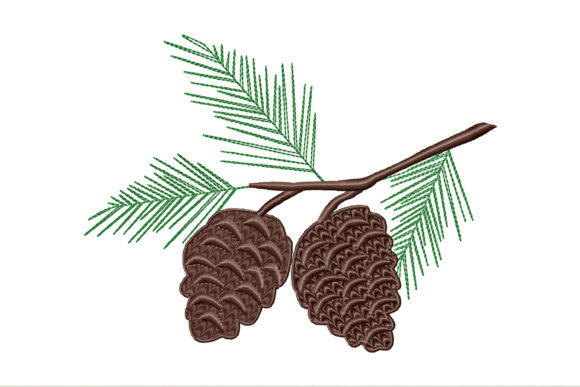
The immediate appeal of Pine Cone is its structural clarity. Unlike some organic designs that rely on chaotic, messy fills to mimic nature, this design appears to prioritize clean lines and defined shapes. The layout suggests a stylized rather than photorealistic approach, which is a significant advantage for embroidery. Photorealism often requires thousands of stitches and high-density fills that can puckers lightweight fabrics. In contrast, the Pine Cone design seems to utilize a mix of satin stitch borders and strategic fill stitch areas to create depth without excessive bulk.
The mood it creates is rustic yet refined. It feels at home in autumnal palettes but is versatile enough to work in neutral, modern interiors. For an Etsy seller or craft business owner, this versatility is crucial. You are not locked into a single seasonal niche. The visual personality is calm and grounded, making it an excellent candidate for products that aim to evoke comfort and warmth.
Real-World Application: The Tote Bag Test
To truly evaluate a design, you must imagine it on a finished product. I recently conceptualized a line of canvas tote bag design options for a local boutique client. They wanted something that felt artisanal but not overly busy. Pine Cone became the frontrunner for this project. Here is why: the design’s compact nature allows it to sit neatly on the corner of a bag or centered on a pocket without overwhelming the textile.
When stitched onto a heavy cotton canvas, the design held its shape beautifully. The stitch density appeared sufficient to cover the weave of the fabric without sinking in, a common issue with lighter designs on textured materials. For small shop product lines, consistency is key. If you are producing fifty bags, you need a design that stitches out cleanly every time. Pine Cone offers that reliability. It also translates well to printed mockup assets, allowing you to showcase the design digitally before committing to physical production.
Versatility Across Product Categories
Beyond tote bags, this machine embroidery design shows promise across several categories. For home decor, specifically pillow covers, the design adds a tactile element that invites touch. The raised texture of the stitches contrasts nicely against smooth linen or velvet. However, placement is critical. On a curved surface like a cap or a rounded pillow, you must ensure the design is centered correctly to avoid distortion.
In the realm of custom apparel, such as sweatshirt embroidery, the design works well on the chest or sleeve. The natural theme pairs effortlessly with earth-toned garments. For baby embroidery projects, such as burp cloths or nursery blankets, the soft, organic shape is appealing. However, always consider the thread colors you choose. Pastels will soften the look for nursery items, while deep greens and browns maintain a sophisticated, adult aesthetic.
If you are creating holiday embroidery items, this design is a subtle nod to winter and harvest seasons without being overtly Christmas-themed. This extends the shelf life of your design assets throughout the fall and winter months, maximizing your return on investment.
Technical Considerations and Fabric Constraints
While Pine Cone is robust, it is not immune to the physics of embroidery. Here are specific scenarios where you should proceed with caution:
- Thin or Stretchy Fabrics: If you plan to use this on a lightweight t-shirt or jersey, you must use a cut-away stabilizer. The weight of the stitches, particularly if there are dense fill areas, can cause thin fabric to pucker or distort over time.
- Small Hoop Sizes: Always check the dimensions of the design against your available hoop size. While the design is compact, resizing it too small can cause stitch merging, where individual lines blur together. This ruins the clarity of the pine cone scales.
- Dark Fabrics: If stitching on black or navy, ensure your thread colors have enough contrast. Sometimes, digital previews look vibrant, but in reality, dark threads on dark fabric can look muddy. Test a sample to verify visibility.
- Curved Surfaces: When applying this to caps or curved pockets, hoop the garment properly. Misalignment here can make the symmetrical elements of the design look skewed.
Enhancing Product Value and Brand Trust
For commercial embroidery professionals, the quality of your digitizing directly impacts customer trust. A clean, well-stitched Pine Cone signals professionalism. It shows that you care about the details. When customers receive a personalized gift or a handmade product with crisp edges and no loose threads, they are more likely to leave positive reviews and return for future purchases.
This design also supports brand consistency. If your shop focuses on nature-inspired goods, Pine Cone fits seamlessly into a broader collection. It can be paired with other botanical elements to create cohesive sets, such as matching aprons and tea towels. This bundling strategy increases the perceived value of your finished product.
Practical Designer Notes for Best Results
Before you list this item in your store or stitch it for a client, follow these practical steps:
- Test on Scrap Fabric: Never stitch a new design directly on your final product. Use a scrap piece of the same fabric and stabilizer combination to check for tension issues.
- Check File Formats: The product description mentions multiple embroidery files. Ensure you have the correct format for your machine (e.g., PES, DST, JEF). Using a converter can sometimes alter stitch paths, so native formats are preferred.
- Review Stitch Density: Inspect the design in your editing software. Look for areas where stitches overlap excessively. If necessary, adjust the underlay to provide better foundation without adding bulk.
- Contrast Testing: View the design in black and white. If the details disappear, you may need to adjust thread choices or add outlining stitches to define edges.
- Licensing Verification: Confirm the license terms. Can you sell finished items? Can you resell the digital file? Most designers allow selling finished physical goods but prohibit sharing the digital file. Respect these terms to maintain ethical standards in the creative community.
Final Verdict
The Pine Cone embroidery design is a solid addition to any designer’s library. It strikes a balance between aesthetic appeal and technical feasibility. It is not just a pretty picture; it is a functional tool for creating high-quality embroidered patch items, apparel, and home goods. For makers and creative entrepreneurs, it offers a reliable way to produce professional-looking results without excessive troubleshooting. Just remember to respect the material constraints and test thoroughly. When used correctly, this design elevates the simple act of stitching into a statement of quality and style.