Wheat with Herringbone: A Designer’s Review
As an embroidery designer who has spent years digitizing patterns and testing them on everything from flimsy silk to heavy denim, I approach every new machine embroidery design with a critical eye. It is not enough for a pattern to look pretty on a screen; it must hold up under the needle, survive the wash, and appeal to the end customer. Recently, I evaluated Wheat with Herringbone, a piece that sits comfortably in the Floral category but carries a rustic, structural weight that sets it apart from typical delicate botanicals. This review breaks down how this design performs in real-world scenarios, offering practical insights for craft business owners, Etsy sellers, and hobbyists alike.
First Impressions and Visual Personality
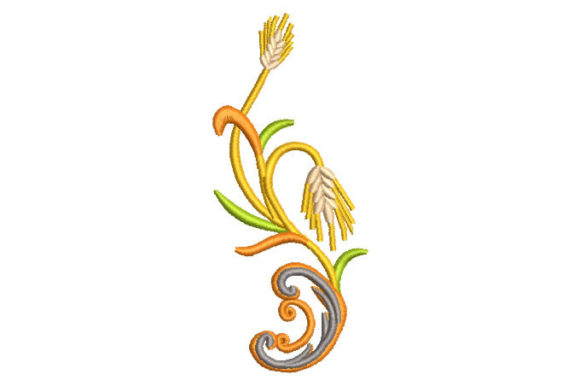
The immediate appeal of Wheat with Herringbone lies in its textural contrast. Wheat stalks are inherently linear and organic, while the herringbone element introduces a geometric, woven structure. This juxtaposition creates a visual rhythm that is both modern and timeless. For a designer, this balance is crucial. Purely organic shapes can sometimes look messy if the digitizing is loose, while purely geometric designs can feel cold. This embroidery design bridges that gap effectively.
The mood it evokes is one of grounded elegance. It feels appropriate for autumn-themed collections, farmhouse-style decor, or minimalist branding. When I first loaded the digital embroidery file into my editing software, I looked closely at the stitch paths. The transition between the wheat grains and the herringbone pattern appeared smooth, suggesting careful attention to jump stitches and thread trims. For a small shop product, this level of cleanliness reduces post-production time, which is vital for maintaining profit margins.
Real-World Application: The Tote Bag Test
To truly understand the value of a design, you must imagine it on a finished product. I envisioned using Wheat with Herringbone for a custom embroidered tote bag. Canvas is a forgiving fabric, but it requires a design with enough substance to stand out against the weave. The herringbone component, likely utilizing a combination of satin stitch and fill stitch techniques, provides the necessary density to pop against natural cotton or linen.
In this scenario, the design serves as more than just decoration; it acts as a brand identifier. For an Etsy seller specializing in eco-friendly goods, this motif communicates sustainability and artisanal quality. The wheat suggests harvest and nature, while the structured herringbone implies craftsmanship. When stitched in earth tones—such as olive green, mustard, or terracotta—the design becomes a versatile asset for a seasonal collection. It transforms a simple bag into a personalized gift that feels thoughtful and high-end.
Performance on Apparel and Textiles
Moving beyond accessories, I considered how this design would perform on custom apparel. Sweatshirt embroidery is a huge market right now, but it presents challenges regarding fabric stretch and pile. Wheat with Herringbone appears to have a moderate stitch density, which is ideal for fleece or French terry. A design that is too dense can cause puckering, while one that is too sparse may get lost in the fabric texture.
For baby embroidery projects, such as a nursery blanket or a onesie, the softness of the design is a plus. However, caution is needed. If the herringbone elements use long satin stitches, they might snag on tiny fingers or toys. I would recommend testing the design on scrap fabric first to ensure the stitches lie flat and secure. Using a proper stabilizer is non-negotiable here; a cut-away stabilizer would provide the necessary support for knit fabrics, ensuring the design retains its shape after repeated washing.
When applied to curved surfaces like caps, the layout becomes critical. The vertical orientation of the wheat stalks works well on the front panel of a hat, drawing the eye upward. However, the width of the herringbone base must fit within the hoop size limitations of standard cap frames. If the design is too wide, it may distort around the curve. Always check the dimensions of the embroidery file against your specific hoop size before committing to a production run.
Navigating Fabric and Technical Challenges
No design is universal, and Wheat with Herringbone requires strategic placement. On thin or stretchy fabrics, such as jersey knits or chiffon, the weight of the stitches could cause dragging. In these cases, I would advise using a heavier tear-away or cut-away stabilizer and possibly reducing the stitch density if your software allows for editing. For dark fabrics, thread color contrast is key. A monochromatic look can be sophisticated, but if the goal is visibility, choose thread colors that stand out against the background.
Textured fabrics like toweling or heavy wool present another variable. The intricate details of the wheat grains might get lost if the fabric pile is too high. In such instances, this design might work better as an applique design, where a piece of fabric is laid down and stitched around, rather than relying solely on thread buildup. This approach reduces stitch count and prevents the garment from becoming stiff.
Additionally, consider the corners and fine details. Small, sharp points in the herringbone pattern can be prone to unraveling if not properly locked down. Inspect the small details closely during your test stitch-out. If you notice gaps or loose threads, adjust the tension on your machine or add tie-off stitches in your digitizing software.
Commercial Value and Brand Consistency
For commercial embroidery projects, consistency is king. Wheat with Herringbone offers a distinct aesthetic that can help build brand recognition. Whether used on aprons for a bakery, tea towels for a kitchenware shop, or patches for a boutique clothing line, the design maintains its integrity across different mediums. This versatility makes it a valuable addition to any designer’s library of design assets.
From a marketing perspective, this design photographs well. The interplay of light and shadow created by the raised stitches adds depth to printable mockups and digital product previews. For online sellers, high-quality images are essential for buyer engagement. A well-stitched sample of this design can convey professionalism and attention to detail, fostering customer trust.
Practical Notes for the Embroiderer
Before integrating Wheat with Herringbone into your workflow, keep these practical tips in mind:
- Test on Scrap Fabric: Always run a test stitch on the same type of fabric you intend to use for the final product. This helps identify issues with tension, density, or registration.
- Check Thread Colors: Experiment with different thread combinations. While natural tones work well, contrasting colors can highlight the herringbone structure.
- Verify File Formats: Ensure the digital embroidery file includes the format compatible with your machine. Common formats include PES, DST, and JEF.
- Review Licensing: If you plan to sell finished items or digital products featuring this design, confirm the license terms. Some designers allow commercial use for physical goods but restrict digital resale.
- Use Proper Stabilizer: Match your stabilizer to your fabric. Cut-away for knits, tear-away for wovens, and water-soluble for delicate or sheer materials.
In conclusion, Wheat with Herringbone is a robust and versatile choice for a variety of embroidery projects. Its blend of organic and geometric elements offers a unique visual appeal that resonates with current trends in handmade and boutique markets. By understanding its technical requirements and potential applications, you can leverage this design to create high-quality, profitable products that stand out in a crowded marketplace. Whether you are creating holiday embroidery gifts or building a year-round craft business, this design deserves a spot in your toolkit.