Three Flapping Flowers: A Designer’s Review
As an embroidery designer who has spent countless weekends setting up booths at local craft fairs and managing online storefronts, I know that not every design translates equally well from screen to fabric. When I first loaded the Three Flapping Flowers pattern into my software, I was looking for more than just aesthetic appeal; I was looking for a reliable craft fair product that could drive sales. This review breaks down how this specific machine embroidery design performs in the real world of handmade business, focusing on practical application, visual impact, and production efficiency.
First Impressions: Elegant Abstract Appeal
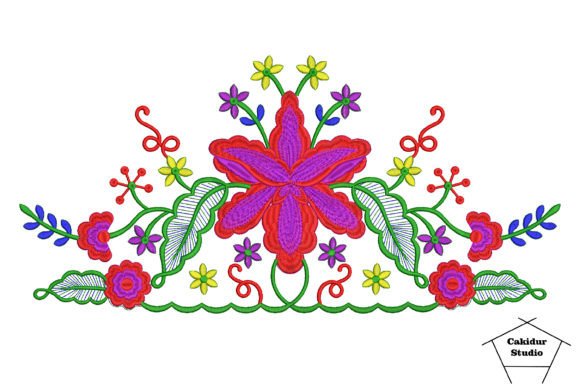
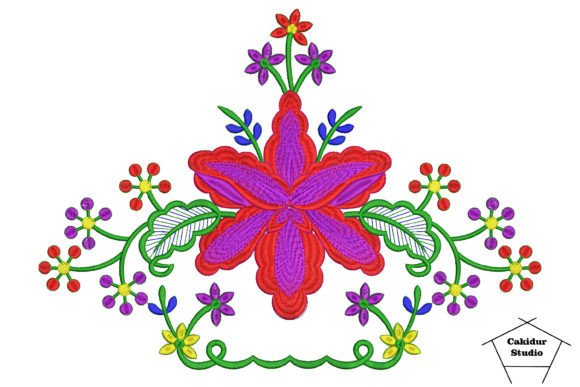
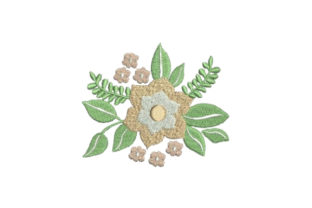
The Three Flapping Flowers pattern presents itself as an elegant abstract floral motif. In the crowded marketplace of Bouquets and floral themes, standing out requires a unique twist. This design does not rely on hyper-realism but instead offers a stylized, decorative approach. For a small shop product, this is advantageous. It feels modern yet timeless, avoiding the pitfalls of trends that might look dated in a year. The "flapping" aspect suggests movement and softness, giving the piece a dynamic quality that catches the eye without being overwhelming. It strikes a balance between minimal and decorative, making it suitable for a wide range of customer tastes, from farmhouse enthusiasts to modern minimalists.
Product Versatility and Market Fit
The true test of any embroidery file is its versatility. Can it survive on different textiles? Does it look good on various items? Here is how Three Flapping Flowers performs across common handmade goods:
- Tote Bags: This is perhaps the strongest candidate. A tote bag design needs to be visible from a distance. The abstract nature of these flowers allows them to serve as a beautiful background ornament or a central focal point. On canvas or cotton totes, the design adds perceived value, turning a simple bag into a boutique accessory.
- Aprons and Tea Towels: For kitchenware, the elegance of the motif shines. Apron embroidery benefits from designs that are not too dense, ensuring comfort against the body. Similarly, tea towel embroidery requires a design that respects the weave of the fabric. Since this pattern is described as detailed yet adaptable, it works well here, provided the scale is adjusted correctly.
- Embroidered Patches: Patches are high-margin items for craft fairs. If the design holds up at a smaller size, it makes for an excellent embroidered patch. However, one must be cautious of tiny details that may get lost when scaled down.
- Caps and Pillow Covers: Curved surfaces like caps require careful digitizing. The abstract flow of the flowers can complement the curve of a cap brim or front panel. For pillow covers, the design acts as a sophisticated accent that elevates home decor items.
Production Practicality for Sellers
For Etsy sellers and booth operators, time is money. A design that is difficult to stitch or prone to errors is a liability. Three Flapping Flowers appears to be designed with production in mind. The description notes that you can safely change colors, which is crucial for batch production. Being able to swap thread palettes to match seasonal trends—pastels for spring, deep jewel tones for winter—allows you to keep your inventory fresh without buying new design assets.
Photography is another critical factor. Abstract floral motifs tend to photograph beautifully because they do not rely on intricate text or tiny symbols that blur in photos. This makes creating a printable mockup or listing images much easier. The design’s clarity ensures that your online listings look professional, helping customers visualize the finished product on their own items.
Careful-Use Notes and Technical Considerations
While the design is versatile, there are technical aspects every embroiderer must consider before running a full batch. Since the description mentions it is a "detailed" pattern, stitch density is a key variable. High density can cause puckering, especially on lighter fabrics like tea towels or thin cotton tote bags.
- Fabric Texture: Textured towels or thick denim may require adjustments. On thick fabric, ensure your needle is sharp enough to penetrate without breaking threads. On textured surfaces, verify that the abstract lines remain clear and do not get lost in the weave.
- Stabilizer Selection: Always use the right stabilizer. For stretchy fabrics like those used in some market bags or apparel, a cut-away stabilizer is often safer than tear-away to prevent distortion over time.
- Scale and Clarity: If you plan to use this as a small accent on a pouch or pocket, check the smallest details. Designs that look great at four inches may lose definition at two inches. Test stitch on scrap fabric first.
- Dark Fabric: If stitching on dark fabric, consider using a topping or adjusting underlay stitches to ensure the vibrant thread colors pop against the background.
Enhancing Visual Appeal and Brand Consistency
In a busy craft fair environment, visual appeal drives foot traffic. Three Flapping Flowers contributes to a cohesive brand image if you are positioning your shop as elegant, artistic, or nature-inspired. It avoids the cluttered look that can sometimes plague handmade stalls, offering a clean, premium aesthetic. This consistency helps build trust with buyers who are looking for quality commercial embroidery rather than amateur attempts.
Furthermore, the ability to customize colors means you can align the design with your specific brand palette. Whether your brand is earthy and rustic or bright and playful, this motif adapts. This flexibility is invaluable for maintaining a strong booth display where all items feel part of a curated collection.
Designer’s Checklist for Implementation
Before you commit to selling products featuring Three Flapping Flowers, follow this practical checklist to ensure success:
- Test on Scrap Fabric: Never skip the test stitch. Check for thread breaks, nesting, or registration issues.
- Check Thread Contrast: Ensure your chosen thread colors provide enough contrast against the fabric so the abstract shapes are discernible.
- Review Spacing: If placing multiple instances of the design, ensure adequate spacing to avoid visual clutter.
- Confirm Hoop Size: Verify that the design fits within your standard hoop sizes. If it requires a large hoop, factor that into your pricing and production time.
- Inspect Stitch Density: If the design feels stiff after stitching, consider reducing density in non-critical areas if your software allows, or switch to a lighter weight fabric.
- Create Real Mockups: Photograph the stitched sample on the actual product. Digital mockups are helpful, but real photos sell better on Etsy and social media.
- Verify Licensing: Although the description implies commercial use by mentioning safe color changes for products, always confirm the specific license terms of the digital embroidery file before selling finished goods. Ensure you have the right to sell physical items made with the design.
In conclusion, Three Flapping Flowers is a strong contender for your next line of handmade goods. Its elegant, abstract nature offers broad appeal, while its adaptability supports efficient production. By paying attention to fabric choice, stabilizer, and scale, you can transform this Embroidery pattern into a best-selling staple of your craft fair booth or online shop.