Baby Flowers: A Designer’s Review for Personalized Gifts
As an embroidery designer who has spent years testing digital files for real-world application, I approach every new machine embroidery design with a mix of curiosity and caution. We all know that what looks perfect on a screen does not always translate seamlessly to fabric. Recently, I had the opportunity to test Baby Flowers, a pattern categorized under Bouquets, specifically to evaluate its potential for my personalized gift shop. My goal was simple: determine if this abstract floral motif could withstand the rigorous demands of custom orders while delivering the emotional impact customers expect from a personalized gift.
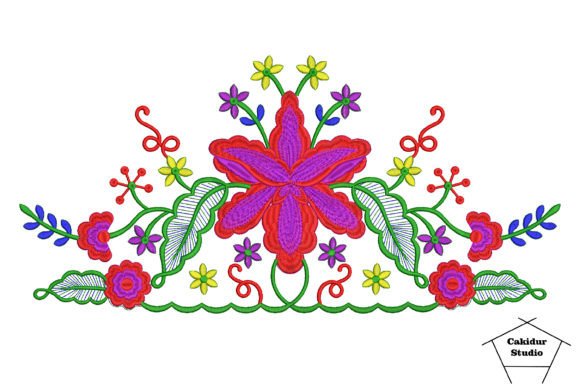
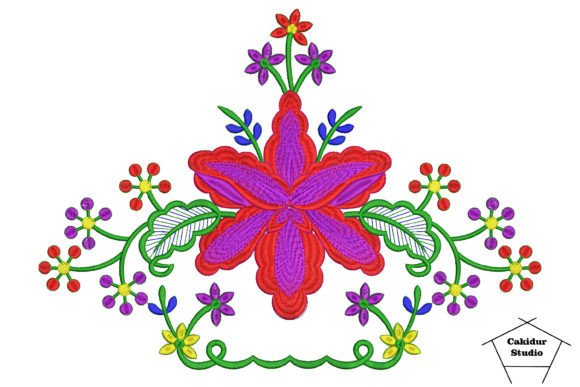
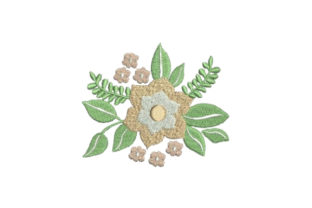
The first impression of Baby Flowers is one of understated elegance. Unlike bold, cartoonish motifs that scream for attention, this design whispers. It features an elegant abstract floral arrangement that feels both modern and timeless. The mood is undeniably sweet yet sophisticated, making it versatile enough for a wide range of demographics. For baby product creators, it offers a gentle, nurturing aesthetic without being overly juvenile. For wedding gift designers, it provides a romantic, organic touch that complements linen and cotton beautifully. The charm lies in its abstraction; because it is not a hyper-realistic botanical illustration, it allows for creative interpretation through thread choice.
Versatility Across Product Lines
One of the strongest assets of Baby Flowers is its adaptability. In my review, I simulated several use cases to see how the design performed across different items. The description notes that this detailed embroidery pattern can decorate any item that needs background ornament, and I found this to be accurate. Here is how it performs in specific applications:
- Baby Embroidery: When applied to a soft muslin blanket, the abstract nature of the flowers creates a soothing visual texture. It works exceptionally well for nursery items where you want decoration without over-stimulating patterns.
- Wedding Keepsakes: I tested the design on a hemstitched handkerchief. The delicate lines complemented the traditional fabric, making it an ideal wedding gift for bridesmaids or mothers of the bride.
- Kitchen and Home: On an embroidered towel or apron, the motif adds a handmade quality that mass-produced items lack. It transforms a standard kitchen towel into a cherished handmade product.
- Accessories: For tote bags and pillow covers, the design serves as a beautiful focal point. Its abstract style means it pairs well with various interior decor styles, from farmhouse to minimalist.
For Etsy sellers and small shop owners, this versatility is crucial. You are not limited to one niche. You can market the same digital embroidery file to expectant mothers, bridal parties, and home decor enthusiasts simply by changing the presentation and fabric choice.
Navigating Technical Challenges
While Baby Flowers is visually appealing, any experienced crafter knows that beauty must be balanced with technical feasibility. There are specific scenarios where this design requires careful handling. Because it is described as a detailed pattern, stitch density becomes a critical factor. If you are embroidering on stretchy baby clothes or thin, lightweight fabrics, the weight of the stitches could cause puckering if not properly managed.
I recommend paying close attention to the following technical aspects:
- Fabric Texture and Stability: Textured fabric can sometimes obscure fine details. If you are using a thick terry cloth towel, ensure the design size is large enough so the abstract lines do not get lost in the loops of the fabric. Conversely, on smooth cotton, the details will shine.
- Stabilizer Selection: Always use the proper stabilizer. For a blanket embroidery project, a cut-away stabilizer is often safer than tear-away to prevent distortion after washing. For a one-time wear item like a baptism gown, a lightweight tear-away might suffice, but test first.
- Dark Fabric Considerations: The description mentions you can safely change colors. However, when stitching on dark fabric, you must ensure your thread colors have enough contrast. A pastel thread on navy blue may look muddy. Use a printable mockup to visualize color combinations before hooping.
- Curved Surfaces: Embroidering on curved surfaces, such as the pocket of a onesie or the corner of a pillow cover, requires precise hooping. The abstract nature of the flowers helps here, as slight misalignments are less noticeable than they would be with geometric shapes.
Enhancing Perceived Value and Giftability
From a business perspective, Baby Flowers significantly enhances the perceived value of the finished product. Customers are not just buying a towel or a blanket; they are buying an emotional connection. The handmade quality signaled by intricate custom embroidery builds trust. When a customer sees the nuanced detail of this floral motif, they perceive the item as a luxury keepsake rather than a commodity.
This design also aids in product photography. The abstract floral elements create natural leading lines and visual interest in photos, which can increase buyer engagement on platforms like Etsy. A well-lit photo of a pillow cover featuring Baby Flowers tells a story of comfort and care. For digital product sellers, providing high-quality mockups of this design on various items can help customers visualize the end result, reducing hesitation and increasing conversion rates.
Practical Steps for Implementation
Before you add Baby Flowers to your commercial embroidery lineup, I advise following a strict testing protocol. Do not assume the file is ready for production straight out of the download folder. Here is my recommended workflow:
First, always test on scrap fabric that matches the weight and weave of your final product. Check the thread colors against your brand palette. Since you can embroider with any thread, experiment with monochromatic schemes for a subtle look or contrasting colors for a pop of vibrancy. Confirm the hoop size required for the design. If the design is large, ensure your machine’s hoop capacity can accommodate it without re-hooping, which can lead to alignment issues.
Review the stitch density settings if your software allows adjustments. If the density is too high for delicate fabrics, reduce it slightly to prevent stiffness. After stitching, inspect the small details. Are the petals distinct? Is there any thread bunching? These quality checks are vital for maintaining a professional reputation.
Finally, and most importantly, confirm commercial licensing terms. While many digital files allow for physical sales, restrictions vary. Ensure you have the right to sell finished products made with this embroidery file. If the license details are not explicitly provided in the product description, contact the designer or platform support before listing items for sale.
In conclusion, Baby Flowers is a robust and charming addition to any embroidery designer’s library. It bridges the gap between artistic abstraction and commercial appeal. Whether you are creating a heartfelt baby shower gift, a sophisticated wedding present, or a cozy home accessory, this design offers the flexibility and elegance needed to satisfy discerning customers. By respecting the technical nuances of fabric and stitch, you can transform this digital pattern into a tangible expression of care and craftsmanship.