Review: Abstract Floral Pattern Redwork for Modern Projects
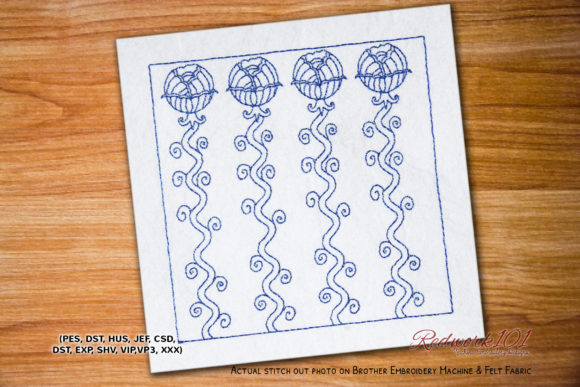
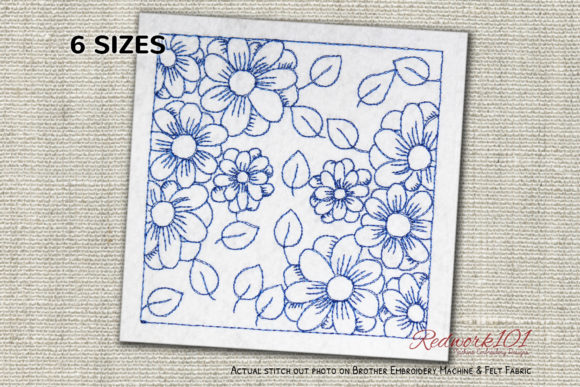
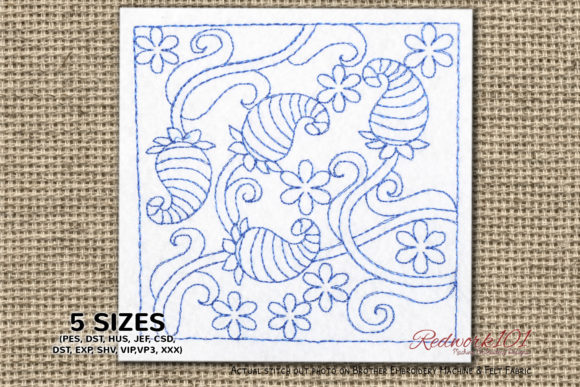
As a designer who spends more time staring at stitch maps than actual fabric, I have learned to look past the glossy preview images. We all know that what looks perfect on a screen can sometimes turn into a tangled mess on the hoop. When I first pulled up the Abstract Floral Pattern Redwork, my initial reaction was one of cautious optimism. It is not just another generic flower; it has a specific personality. The design features yet-to-bloom flowers, creating a sense of anticipation and delicate growth rather than full-blown saturation. This subtle approach is exactly what many modern crafters are looking for today.
The Aesthetic Appeal and First Impressions
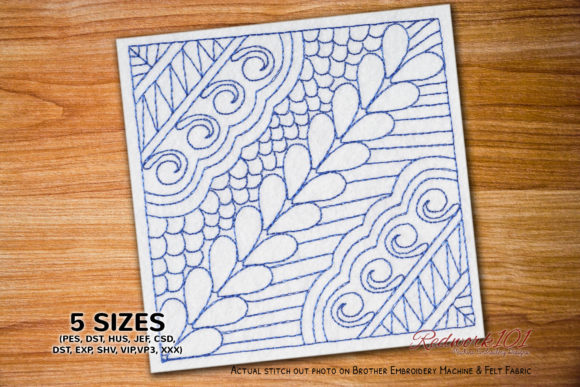
The mood of this piece is quiet but confident. In a world where embroidery designs often scream for attention with dense fill stitches and high-contrast shading, this redwork style whispers. The layout relies on line work, which means the visual weight is distributed evenly without heavy bulk. For those of us in the Paisley and floral niche, this is a refreshing departure from the overly complex motifs we see daily.
I immediately thought about how this would translate to real-world items. The "yet-to-bloom" concept suggests freshness and new beginnings. This makes it an ideal candidate for spring collections, baby showers, or minimalist home decor. It does not try to be everything to everyone. Instead, it offers a clean, linear aesthetic that appeals to buyers who prefer understated elegance over flashy decoration. When you view the design, notice how the lines flow. They are organic, avoiding rigid geometric structures that can feel cold in a handmade context.
Real-World Application: From Screen to Stitch
To truly evaluate a machine embroidery design, you have to imagine it on a physical product. I recently considered using this pattern for a custom linen tote bag project. Linen is a tricky fabric; it has a distinct texture and can shift if not stabilized properly. However, because this design utilizes running stitch techniques typical of redwork, it sits beautifully on textured fabrics. Unlike a heavy satin stitch column that might pucker thin linen, these lighter lines allow the natural weave of the fabric to show through, enhancing the handmade feel.
Beyond tote bags, I see strong potential for this design in custom apparel. Imagine this embroidered on the cuff of a white sweatshirt or the chest pocket of a denim jacket. The simplicity ensures it does not overwhelm the garment. For Etsy sellers and small shop owners, this versatility is gold. You can market it as a unisex design, appealing to a broader audience than traditional, frilly florals. It works equally well as a sweatshirt embroidery accent or as a delicate detail on a silk pillow cover.
Another practical application is in the realm of baby embroidery. Parents often seek designs that are sweet but not overly juvenile. The abstract nature of these buds fits perfectly into a modern nursery aesthetic. Whether stitched onto a muslin swaddle or a onesie, the lack of dense fill stitches means the finished product remains soft against sensitive skin. This is a crucial selling point for any handmade product intended for infants.
Technical Considerations and Fabric Compatibility
While the design is versatile, it is not without its technical requirements. Redwork styles live and die by contrast. If you are stitching this on a dark fabric, you must choose your thread colors carefully. A classic red thread on navy blue works, but a tonal approach, such as white on white or cream on beige, requires perfect tension and high-quality thread to ensure the design is visible. I always recommend testing your embroidery file on scrap fabric before committing to your final piece.
Stabilizer choice is another critical factor. Since this design likely relies on running stitches and perhaps some optional box stitches as mentioned in the description, it does not have the inherent stability of a dense applique or fill design. On stretchy fabrics like jersey knits, a cut-away stabilizer is non-negotiable to prevent distortion after washing. For woven fabrics like cotton or linen, a tear-away stabilizer usually suffices, but always check the stitch density recommendations provided with your digital download.
One area where caution is needed is with very small hoop sizes. If you attempt to shrink this design significantly to fit a tiny corner of a cap or a small patch, you risk losing the clarity of the lines. The "yet-to-bloom" details are fine and intricate. If scaled down too far, these lines may merge, turning a delicate flower into an unreadable blob. Always verify the minimum recommended size before resizing. Additionally, when working on curved surfaces like caps, ensure your hooping technique is flawless, as any pull can distort the linear beauty of the pattern.
Commercial Value and Branding Potential
For commercial embroidery professionals and craft business owners, the value of a design lies in its marketability. This Abstract Floral Pattern Redwork offers high perceived value with low production time. Because it lacks dense fills, it stitches out faster than complex multi-color designs. This efficiency allows you to produce more units in less time, improving your profit margins on items like embroidered patches or kitchen towels.
Furthermore, the design lends itself well to branding. Its clean lines look professional in printable mockup presentations. When you create listings for your small shop product range, this design photographs well because it does not create harsh shadows or bulky textures that distract from the overall product image. It enhances the finished product without dominating it, which builds customer trust in your attention to detail.
If you are selling digital embroidery file assets, ensure you clarify the licensing terms. Buyers need to know if they can use this for personal projects only or if commercial use is permitted. Clear communication regarding usage rights protects both you and your customers. Also, mention whether the optional box stitch is included in the file formats provided, as this affects how the user prepares their machine.
Final Designer Notes for Best Results
Before you load this into your machine, take a moment to review the technical specs. Check the file formats to ensure compatibility with your specific embroidery machine. Test the design on both light and dark fabrics to gauge contrast. If you are creating a personalized gift or holiday embroidery item, consider combining this floral motif with simple initials. The open space around the flowers provides ample room for monogramming without cluttering the design.
Remember, the beauty of redwork is in its simplicity. Do not overcomplicate it with excessive embellishments. Let the lines speak for themselves. Use high-quality thread to prevent breaks, especially if you are producing multiple items for an Etsy seller inventory. Inspect the back of your stitching; neat bobbin work is just as important as the top thread appearance for durable, professional results.
In conclusion, the Abstract Floral Pattern Redwork is a thoughtful addition to any designer’s library. It bridges the gap between traditional craftsmanship and modern minimalism. Whether you are decorating a tote bag design, creating a unique applique design variant, or simply enjoying the process of embroidery project creation, this pattern offers reliability and charm. It is a tool that, when used with care and proper technique, will definitely catch the eyes of everyone who sees your work.