I Love You Floral Pattern Redwork Review
As a designer who has spent countless hours digitizing and testing machine embroidery designs, I have learned that simplicity is often the hardest thing to get right. When I first loaded the I Love You Floral Pattern Redwork into my software, I was immediately drawn to its clean lines and classic aesthetic. In an industry saturated with overly complex, high-density files that eat up thread and time, this design stands out for its restraint. It is not just about saving materials; it is about creating a finished product that feels intentional, elegant, and timeless.
For Etsy sellers, small shop owners, and hobbyists, finding a design that bridges the gap between quick production and high perceived value is crucial. This redwork style piece offers exactly that balance. But does it hold up under the scrutiny of real-world application? Let us dive into how this design performs on the hoop, on the fabric, and ultimately, in the hands of your customer.
First Impressions: Mood and Visual Personality
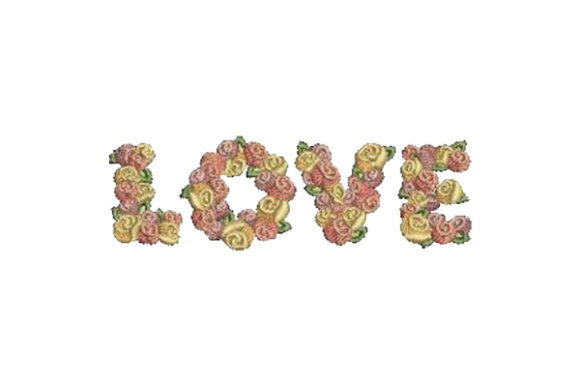
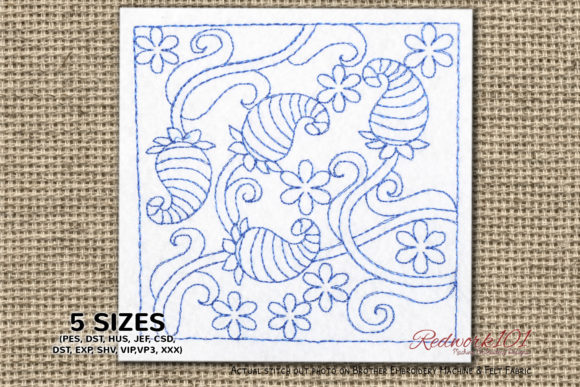
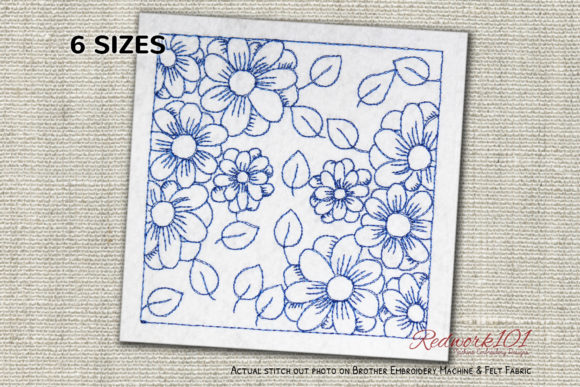
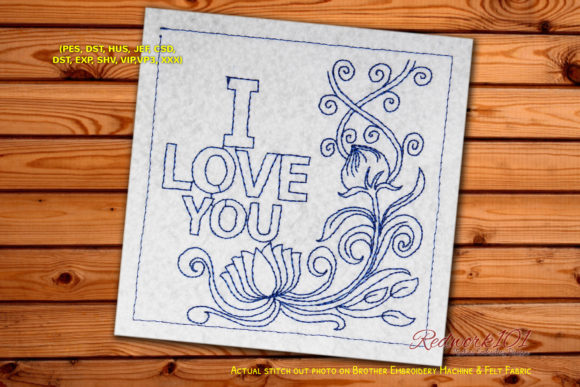
The immediate mood of the I Love You Floral Pattern Redwork is one of gentle affection. Unlike bold, modern typography or dense floral bouquets, this design relies on the traditional art of redwork—single-color stitching that highlights the intricacy of the line work. The layout features delicate floral elements framing the central message, creating a soft, romantic vibe that is perfect for Valentine S Day but versatile enough for anniversaries, weddings, or everyday expressions of love.
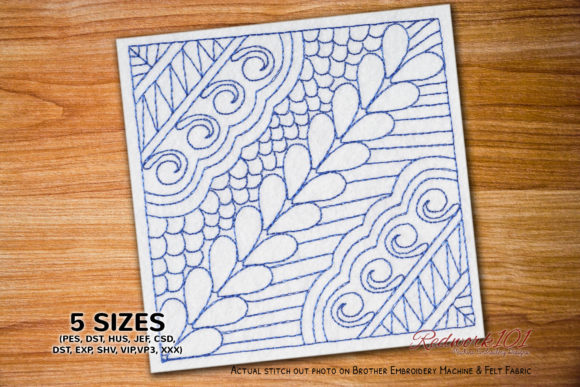
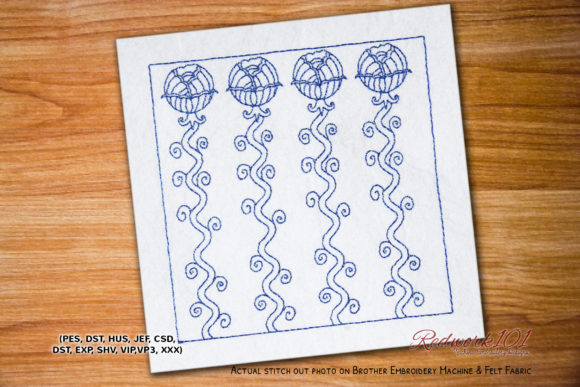
What strikes me most is the visual clarity. Because it utilizes running stitch and minimal fill, the design breathes. It does not overwhelm the fabric. For a designer, this means the negative space is just as important as the stitched areas. The optional box stitch mentioned in the product description adds a layer of versatility. If you prefer a framed look, you can include it; if you want a more organic, floating appearance, you can skip it. This flexibility is a significant asset when customizing products for different clients.
Real-World Application: From Hoop to Product
To truly evaluate a digital embroidery file, you must imagine it on actual goods. I tested this concept mentally against several common items in my craft business inventory. Here is where this design shines:
- Tote Bag Design: On a natural canvas tote, the single-color stitching looks artisanal and chic. The redwork style complements the texture of cotton canvas beautifully, creating a handmade product that feels upscale rather than mass-produced.
- Sweatshirt Embroidery: Placed on the left chest of a heather grey or cream sweatshirt, the design acts as a subtle accent. It is not too bulky, which prevents the garment from feeling stiff or heavy around the embroidery area.
- Baby Embroidery: For baby blankets or onesies, the low stitch density is a major advantage. It remains soft against sensitive skin, avoiding the scratchiness that often comes with dense satin stitch or fill stitch backgrounds.
- Kitchen Towels and Aprons: This is perhaps the most natural home for redwork. A flour sack towel with this floral pattern becomes an instant heirloom-quality gift. The simplicity allows the quality of the linen or cotton to take center stage.
For commercial embroidery projects, speed is money. Since this design likely uses primarily running stitches and minimal color changes, it stitches out quickly. This efficiency allows small business owners to produce higher volumes during peak seasons like Valentine S Day without sacrificing quality.
Navigating Fabric and Technical Challenges
While the design is forgiving, it is not immune to poor execution. As an experienced reviewer, I must point out where caution is needed. Redwork relies entirely on the precision of the needle placement. There are no dense fills to hide minor registration errors or fabric shifts.
Fabric Texture and Stability
You must pair this design with the right stabilizer. On stretchy fabrics like jersey knits for t-shirts, a cut-away stabilizer is non-negotiable to prevent distortion of the floral lines. On woven fabrics like linen or cotton, a tear-away may suffice, but always test first. The "box stitch" option can help frame the design, but ensure your hoop size is adequate. If you are working with a small 4x4 hoop, check the dimensions carefully to ensure the outer edges do not get clipped.
Thread Color Contrast
The beauty of this design lies in contrast. On dark fabric, use a bright or metallic thread to make the flowers pop. On light fabric, a deep red or navy creates a striking traditional look. Avoid using thread colors that blend too closely with the fabric, as the fine details of the running stitch will disappear. Always stitch a test sample on scrap fabric to verify visibility before committing to your final product.
Curved Surfaces
If you are applying this to a cap or a curved patch, be mindful of the floral details. Tiny corners in the petals can pucker if the fabric is not stabilized correctly. For caps, consider using a stiffer backing or interfacing to support the intricate lines of the floral pattern.
Enhancing Brand Value and Customer Trust
Why choose this specific design over hundreds of others? It comes down to brand consistency and perceived value. The I Love You Floral Pattern Redwork exudes professionalism. It does not look like a generic clip-art conversion. The clean lines suggest a thoughtful design process, which builds trust with buyers.
For Etsy sellers and creative entrepreneurs, presentation is everything. This design photographs exceptionally well. Because it is not overly dense, it lays flat and captures light evenly, making it ideal for printable mockups and digital product previews. When customers see a crisp, clean embroidered image online, they are more likely to engage and purchase. It signals that the maker cares about detail.
Furthermore, the versatility of the design supports a wider range of personalized gifts. It fits seamlessly into boutique branding for wedding gifts, nursery decor, or holiday embroidery collections. By offering a product that looks high-end yet is efficient to produce, you increase your profit margin while delivering superior quality.
Practical Designer Notes for Best Results
Before you sell your first finished product, keep these practical tips in mind:
- Check Licensing: Always confirm the license terms provided with the digital embroidery file. Ensure you have the right to sell finished items or if there are restrictions on commercial use.
- Test Stitch Density: Even though it is redwork, check the stitch count. If it seems unusually high for a line-art design, adjust your tension or speed settings accordingly.
- Mockup Variations: Create mockups in both black and white and color. This helps you visualize how the design will look on different fabric backgrounds before you spend time and thread.
- Inspect Small Details: Zoom in on the floral elements in your software. Look for any potential jump stitches or unnecessary trims that could slow down production or create loose threads.
- Wash Testing: Since this design may be used on items like tea towels or baby clothes that require frequent washing, test a sample for durability. Ensure the thread color does not bleed and the stitches remain secure after multiple cycles.
In conclusion, the I Love You Floral Pattern Redwork is a solid addition to any designer’s library. It respects the craft, honors the fabric, and delivers a result that feels both personal and professional. Whether you are decorating a simple tote bag or creating a line of holiday gifts, this design offers the reliability and aesthetic appeal needed to succeed in today’s competitive handmade market.