Flowers Line Art: A Designer’s Review for Craft Fairs
As an embroidery designer who has spent countless weekends behind a booth table, I know that the difference between a browser and a buyer often comes down to visual clarity. When I first loaded Flowers Line Art onto my machine, my immediate thought was about versatility. In the world of Outline Flowers, simplicity is not just an aesthetic choice; it is a strategic business decision. This machine embroidery design offers a clean, minimalist approach that translates exceptionally well across various textiles, making it a strong contender for any craft fair product lineup.
First Impressions and Aesthetic Appeal
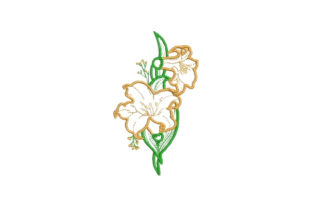
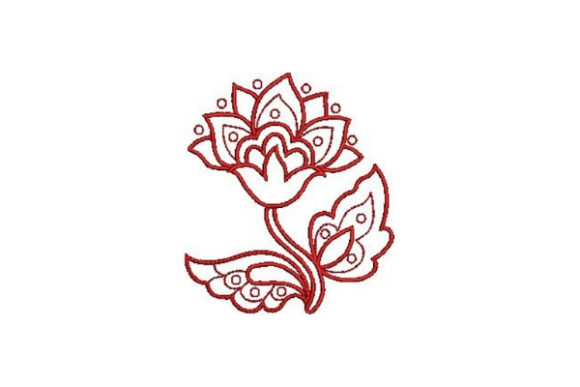
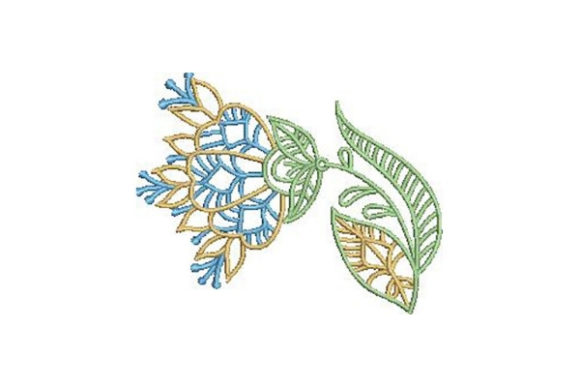
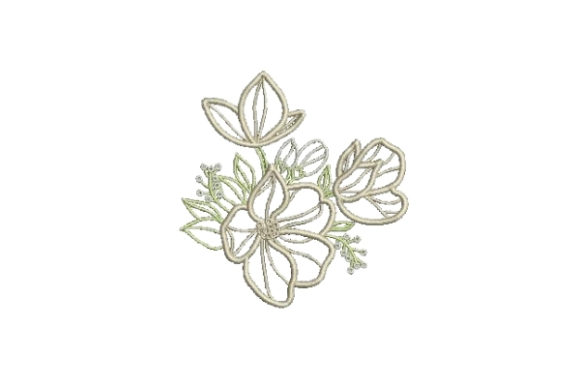
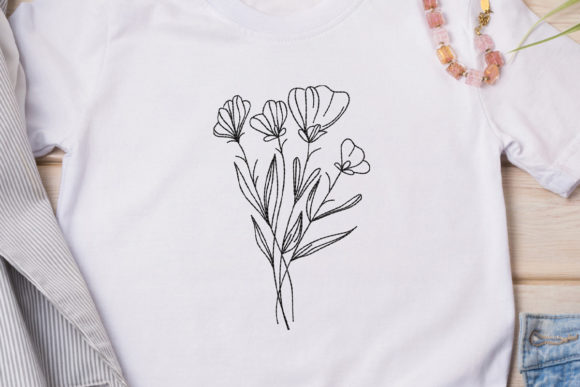
The initial glance at Flowers Line Art reveals a modern, elegant sensibility. It avoids the clutter of overly complex shading, relying instead on confident, continuous lines to define the floral shapes. This minimalism feels premium. For the Etsy seller or boutique maker, this is crucial. Customers at handmade markets are often overwhelmed by visual noise. A design that breathes allows the quality of the finished product to shine. The style strikes a balance between rustic charm and contemporary decor, fitting seamlessly into farmhouse, modern, and even bohemian brand identities.
Because this is an Embroidery piece focused on line work, it does not rely on heavy thread coverage to make an impact. This makes it feel light and airy, which is particularly appealing for spring and summer collections. It suggests a hand-drawn quality that resonates with buyers looking for authentic, handmade product authenticity rather than mass-produced perfection.
Product Versatility for Market Sellers
The true test of any digital embroidery file is its adaptability. Based on the description, Flowers Line Art is marketed for napkins, table runners, clothes, backpacks, bags, and pillows. From a production standpoint, here is how I evaluate its performance on specific items:
- Tote Bag Design: This is perhaps the strongest application. A large-scale version of this floral outline on a canvas tote creates an instant statement piece. The open spaces in the line art prevent the bag from feeling stiff or heavy, maintaining the fabric's drape.
- Apron Embroidery: Placed on the bib or the lower corner of a waist apron, this design adds a touch of elegance without interfering with the garment's function. It appeals to customers looking for giftable kitchenware.
- Tea Towel Embroidery: Linen or cotton tea towels benefit immensely from line art. The texture of the towel shows through the stitches, enhancing the organic feel. It is a classic small shop product that sells well due to its lower price point and high utility.
- Embroidered Patch: If stabilized correctly on felt or twill, this design can be cut out as a patch. Patches are high-margin impulse buys at craft fairs, and the clear outlines ensure the shape remains recognizable even at smaller sizes.
- Pillow Covers and Market Bags: As a focal point on neutral-toned pillows, the design adds sophistication. On market bags, it reinforces the eco-friendly, reusable narrative that many shoppers appreciate.
Production Practicality and Batch Efficiency
For those of us running small businesses, time is money. Flowers Line Art appears to be designed for efficiency. Line art typically involves fewer color changes and less jump stitching compared to filled designs. This means faster production times, which is vital when preparing inventory for a weekend market. The ability to produce multiple units quickly allows for better stock management and reduces the risk of burnout before the fair even opens.
Furthermore, the design photographs beautifully. For your online listings, the high contrast between the thread and the fabric creates sharp, clean images. Whether you are creating a printable mockup for social media or taking photos of actual samples, the clarity of the lines ensures that the product looks professional and inviting. This visual appeal directly drives customer attention and increases perceived value.
Careful-Use Notes and Technical Considerations
While the design is versatile, there are technical nuances to consider to ensure a high-quality commercial embroidery result. Because line art relies on single or double runs of thread, the choice of fabric and stabilizer is critical.
- Fabric Texture: On highly textured towels, ensure the needle size is appropriate to penetrate the weave without causing puckering. The design may lose some definition if the fabric is too fuzzy.
- Dark Fabric: If stitching on dark fabrics, consider using a thicker thread weight or a double stitch to ensure the lines remain visible. Contrast is key for line art.
- Curved Surfaces: When applying this to caps or curved backpack panels, use a strong cut-away stabilizer. The tension of the curve can distort thin lines if the backing is not sufficient.
- Stitch Density: Although line art is generally low density, always check the stitch density settings in your software. Ensure the lines are not so sparse that they look like gaps, nor so dense that they perforate delicate fabrics.
- Small Details: If scaling the design down for small pouches or patches, verify that the smallest curves do not become jagged. Some machines struggle with very tight turns in single-line stitches.
Designer Tips for Best Results
Before committing to a full production run, I strongly advise following these steps to protect your brand consistency and product quality:
- Test on Scrap Fabric: Always stitch out a sample on the exact fabric you intend to sell. What looks good on cotton might behave differently on linen or canvas.
- Check Thread Contrast: Experiment with different thread colors. While monochrome is elegant, a subtle contrast (like cream thread on white linen) can add depth without being overpowering.
- Confirm Hoop Size: The product description mentions multiple formats, but it does not specify exact dimensions. Check the included files to confirm the maximum hoop size required. Ensure your machine can accommodate the largest version if you plan to make tote bags.
- Use the Right Stabilizer: For woven fabrics like napkins and aprons, a tear-away stabilizer is usually sufficient. For knits or stretchy materials like some backpacks, use a cut-away.
- Create Real Mockups: Do not rely solely on digital previews. Stitch one real item and photograph it in natural light. This helps you judge the true visual impact.
- Verify Licensing: The description states the file can be used for commercial purposes, but always read the specific license terms included in the download. Confirm you are allowed to sell finished products made with this design asset.
Final Verdict for Craft Fair Success
Flowers Line Art is a robust addition to any embroidery portfolio. Its strength lies in its adaptability and modern aesthetic. For the craft fair environment, it offers a quick-to-produce, high-appeal option that works across a wide range of price points. Whether used as a subtle accent on a tea towel or a bold statement on a tote, it enhances the perceived quality of the item. By paying attention to fabric choice and stabilization, you can ensure that every piece you sell reflects the professionalism and care that customers expect from handmade goods. This design is not just about decoration; it is a tool for building a cohesive, attractive, and profitable product line.