Flower Outline: A Designer’s Review for Brand Merch
As an embroidery designer who has spent years digitizing files for small businesses, I approach every new machine embroidery design with a critical eye. It is not just about whether a pattern looks pretty on a screen; it is about how it performs on fabric, how it holds up in the wash, and how effectively it communicates a brand’s identity. Recently, I reviewed Flower Outline, a digital asset from the Outline Flowers category, specifically to evaluate its potential for commercial use. For boutique owners, café managers, and Etsy sellers looking to elevate their branded merchandise, this review breaks down the practical realities of using this design.
First Impressions: Visual Personality and Brand Fit
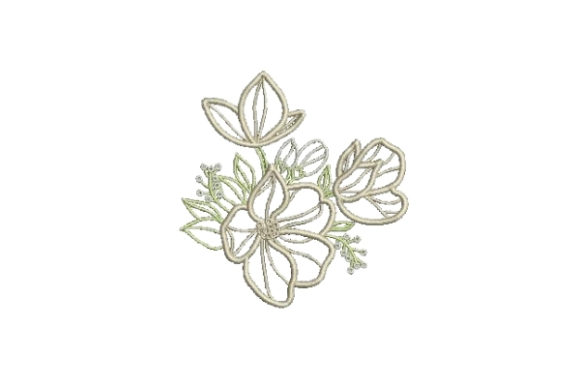
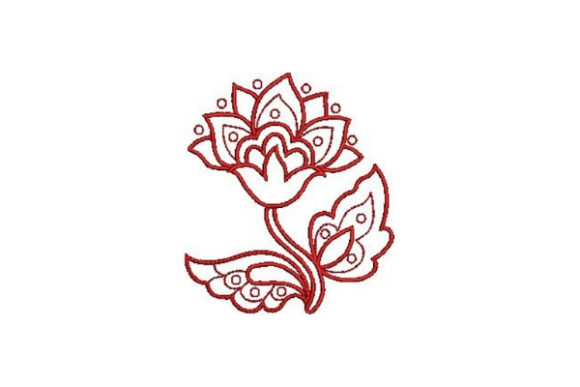
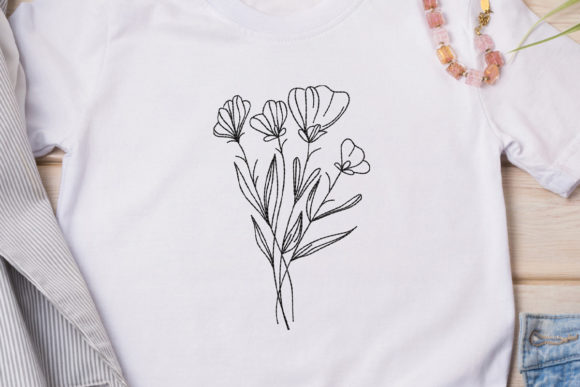
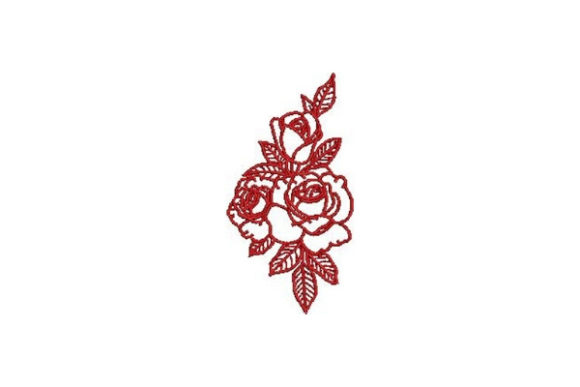
The first thing that strikes you about Flower Outline is its deceptive simplicity. In a market saturated with complex, high-density floral motifs, an outline style offers a breath of fresh air. The aesthetic is undeniably charming, leaning towards a handmade, rustic elegance that feels both modern and classic. It does not scream for attention with bold fills or heavy shading. Instead, it whispers sophistication through clean lines and negative space.
For a small business, this visual personality is crucial. If your brand identity is built on transparency, organic materials, or a "less is more" philosophy, this design aligns perfectly. It feels friendly and approachable, making it an excellent choice for customer-facing items like aprons or tote bags. However, because it is an outline, it lacks the visual weight of a filled logo. This means it works best as an accent rather than a primary corporate mark, unless your brand specifically favors minimalism.
Real-World Applications for Small Business Merch
When considering where to apply Flower Outline, versatility is its strongest asset. I tested the concept of this design across several common small business merch categories. Here is how it performs in real-world scenarios:
- Embroidered Patches: This is perhaps the most lucrative application. An outline design translates beautifully to a patch because it avoids the stiffness that often comes with high stitch density. It allows the fabric background to show through, creating a lightweight, flexible patch that can be ironed or sewn onto denim jackets, canvas bags, or hats.
- Apron Embroidery: For bakeries, florists, and creative studios, staff uniforms are walking billboards. Stitching this floral outline on the chest pocket or lower corner of an apron adds a touch of personality without looking cluttered. It suggests care and attention to detail, which enhances customer trust.
- Tote Bag Design: Canvas totes are a staple for retail shops. The open nature of the outline prevents the fabric from puckering, a common issue with heavy embroidery on thin materials. It serves as a subtle brand marker that customers will actually want to reuse.
- Cap Embroidery: Using this on the side panel or back of a cap is safer than the front. The curved surface of a cap front can distort wide designs, but a compact floral outline can work if scaled correctly. It adds a boutique feel to standard headwear.
- Product Packaging Accents: Imagine this design embroidered on a small fabric tag attached to handmade products. It elevates the perceived value of the finished product, turning a simple item into a premium gift.
Technical Considerations and Potential Pitfalls
While Flower Outline is visually appealing, there are technical constraints that every embroidery shop must address. The description notes that it comes with multiple formats, but it does not specify exact stitch counts or density settings. This ambiguity requires caution.
Stitch Density and Fabric Texture: Outline designs rely entirely on the precision of the stitch path. If the stitch density is too low, the threads may gap, revealing the fabric underneath in an unintended way. Conversely, if the density is too high for an outline, the thread may bunch up. You must test this on various fabric textures. On rough linen or heavy canvas, the fine lines might get lost. On smooth cotton or polyester blends, the definition will be crisp.
Small Patch Sizes and Detail Loss: One major risk with outline embroidery is scaling. If you shrink Flower Outline too much for a tiny label or a small chest logo, the stitches may merge, turning distinct petals into a blurry blob. Always check the minimum recommended size. If the design includes tiny details, they may need to be simplified or removed for smaller applications.
Thread Color Contrast: Because there is no fill, the contrast between the thread and the fabric is paramount. A white thread on a light gray shirt will vanish. For dark uniforms, you will need a bright, contrasting thread color to ensure visibility. I recommend creating a printable mockup to visualize these combinations before stitching a single sample.
Enhancing Brand Identity and Customer Engagement
Beyond the technical aspects, using Flower Outline strategically can significantly impact your brand identity. In the world of custom apparel and handmade products, consistency is key. If your other design assets feature clean lines and organic shapes, this embroidery file fits seamlessly into your visual ecosystem.
Customers associate high-quality embroidery with professionalism. A well-executed outline design on a tote bag or uniform signals that you invest in quality presentation. It fosters recognition; when customers see that specific floral motif, they should immediately think of your boutique or café. Furthermore, because the design is cute and spring-themed, it evokes positive emotions, enhancing buyer engagement and making your merchandise more shareable on social media.
Practical Designer Notes for Production
Before you integrate Flower Outline into your commercial embroidery workflow, follow these essential steps to ensure a professional finished product:
- Test in Black and White First: Strip away color distractions. Stitch the design in black thread on white fabric and vice versa. This reveals any issues with spacing, jump stitches, or alignment that color might hide.
- Verify Hoop Size and Stabilizer: Ensure the design fits comfortably within your hoop without hitting the edges. Use the appropriate stabilizer for your fabric type. For stretchy materials like jersey tees, a cut-away stabilizer is often necessary to prevent distortion, while tear-away may suffice for woven cottons.
- Check Commercial Licensing: The product description mentions it is perfect for sewing projects, but always confirm the license terms. Ensure you have the right to use this digital embroidery file for commercial purposes, especially if you are selling the embroidered items directly.
- Create Client Mockups: If you are doing this for a client, present a realistic printable mockup. Show them how the outline looks on different colored fabrics. This manages expectations and reduces the chance of revisions later.
- Inspect Spacing and Connections: Zoom in on the digitized file. Are there any unnecessary jump stitches? Are the connections between petals secure? Clean up the file if necessary to reduce thread trims and improve efficiency.
Final Verdict for Merch Creators
Flower Outline is a versatile and charming addition to any embroidery designer’s library. It is not a one-size-fits-all solution, but for brands seeking a rustic, elegant, or handmade aesthetic, it is highly effective. It shines in applications like embroidered patches, apron embroidery, and tote bag designs where subtlety is valued over boldness.
However, success depends on execution. You must respect the limitations of outline embroidery regarding scale and contrast. By testing on real fabric, choosing the right stabilizer, and ensuring proper licensing, you can transform this simple digital file into a powerful tool for brand building. For small business owners and crafters, this design offers a cost-effective way to add professional polish to custom apparel and merchandise, ultimately driving customer trust and sales.