Sketched Poppy: A Designer’s Review for Craft Fairs
As an embroidery designer who has spent countless weekends behind a booth table, I know that not every machine embroidery design translates into a bestseller. Some designs look beautiful on a screen but fail to catch the eye of a passing customer. Today, I am reviewing Sketched Poppy, a floral accent from the Single Flowers category, specifically through the lens of a craft fair seller and handmade business owner. My goal is to determine if this design has the visual punch and production practicality needed for a successful weekend market run.
First Impressions: Elegance Meets Modern Simplicity
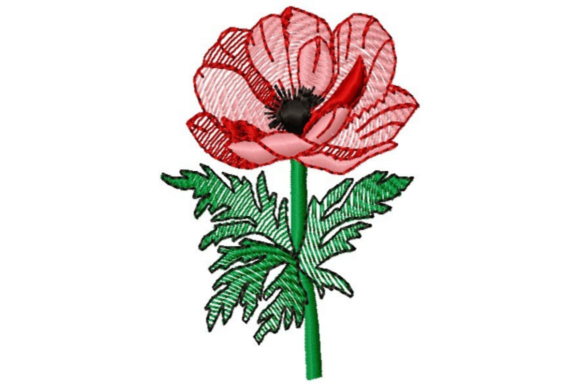
The moment I loaded the embroidery file for Sketched Poppy, the aesthetic was clear. This is not a loud, cartoonish flower, nor is it an overly complex botanical study. It strikes a balance between modern minimalism and classic elegance. The "sketched" quality suggests a hand-drawn feel, which appeals strongly to the current trend of artisanal, slow-fashion goods. For a craft fair product, this is vital. Customers at handmade markets are often looking for items that feel personal and unique, rather than mass-produced.
The description promises a "fresh and elegant look," and in my assessment, it delivers. It feels decorative yet understated. This makes it versatile. It does not scream for attention; instead, it invites a closer look. For a boutique maker, this subtlety is a strength. It allows the quality of the stitching and the choice of fabric to shine, enhancing the perceived value of the finished product.
Product Applications: Where Sketched Poppy Shines
To maximize sales, you must place the right design on the right item. Based on the fluid lines and floral nature of Sketched Poppy, here is how it performs across various popular handmade product categories:
- Tea Towel Embroidery: This is arguably the strongest application. The description explicitly mentions tea towels, and for good reason. A single poppy placed in the corner or center of a linen or cotton towel creates an instant heirloom quality. It transforms a basic kitchen utility item into a giftable decor piece.
- Tote Bag Design: Canvas tote bags are staples at craft fairs. Sketched Poppy works beautifully as a central focal point on a natural-colored canvas. The contrast of the thread against the raw fabric texture highlights the "sketched" lines effectively.
- Apron Embroidery: For the culinary-minded customer, an apron with a delicate floral accent feels premium. Placing the poppy on the bib or near the pocket adds a touch of whimsy without overwhelming the garment.
- Embroidered Patch: If you offer custom patches, this design scales well. However, you must be mindful of detail loss. A smaller patch requires simplified stitch paths to maintain clarity.
- Pillow Covers: As a decorative accent on throw pillows, the design adds a soft, organic element to home decor. It pairs well with solid-colored fabrics, allowing the flower to stand out.
Production Practicality for the Small Shop Product
For an Etsy seller or local vendor, time is money. A design that takes ten hours to stitch is rarely profitable unless priced extremely high. Sketched Poppy appears to be designed for efficiency. While I do not have the exact stitch count, the "sketched" style typically utilizes running stitches and satin borders rather than dense fill areas. This suggests a faster run time, which is ideal for batch production.
When preparing for a fair, I look for designs that are repeatable. Can I stitch ten of these in a day? If the design requires constant thread changes or complex trimming, it becomes a bottleneck. Sketched Poppy seems straightforward, likely requiring only two or three thread colors. This simplicity reduces setup time and minimizes the risk of thread breaks, ensuring a smoother workflow for your commercial embroidery needs.
Visual Appeal and Customer Attention
In a crowded booth, visual hierarchy matters. Sketched Poppy is not a "shouty" design. It relies on elegance. To make it sell, you must curate the surrounding elements. Use high-quality fabrics with interesting textures. The interplay between the smooth embroidery and a textured linen or waffle-weave towel creates tactile interest that draws customers in. It enhances brand consistency by projecting an image of refined taste.
Furthermore, this design photographs exceptionally well for online listings. The clean lines translate clearly in digital images, making it a strong asset for your printable mockup library or social media content. Clear, attractive photos are essential for driving traffic to your digital embroidery file listings or physical product pages.
Careful-Use Notes and Technical Considerations
While Sketched Poppy is versatile, there are technical pitfalls to avoid. As an experienced designer, I advise paying close attention to the following:
- Fabric Texture: On highly textured towels, fine "sketched" lines can get lost. Ensure your needle size and thread weight are appropriate for the fabric weave. A lighter thread may disappear, while a heavier thread might distort the delicate lines.
- Stitch Density: Check the density settings. If the design is too dense for lightweight fabrics like voile or thin cotton, it will pucker. Always use the correct stabilizer. For towels, a cut-away stabilizer is often safer than tear-away to prevent distortion after washing.
- Curved Surfaces: If applying this to caps, remember that the curved surface distorts the view. Test the placement carefully. A design that looks centered flat may look off-center when worn.
- Dark Fabric: If stitching on dark fabrics, ensure you have high-contrast thread colors. The "sketched" effect relies on line visibility. Low contrast will make the design muddy and indistinct.
- Scale and Clarity: Do not shrink this design beyond its recommended limits. Tiny details in the petals may merge, losing the elegant definition. Always check the minimum hoop size requirements provided with the file.
Designer’s Checklist Before You Sell
Before you list Sketched Poppy as a core item in your inventory, perform these quality control steps:
- Test on Scrap Fabric: Never skip this. Stitch the design on the exact fabric type you intend to sell. Check for puckering, thread breaks, and color accuracy.
- Review Thread Contrast: Experiment with different thread palettes. A monochromatic look might feel modern, while contrasting colors might feel more traditional. Decide what fits your brand.
- Confirm Commercial Licensing: Ensure your purchase of the design assets includes a commercial license. Most designers allow selling finished physical products, but rules vary regarding digital resale or large-scale manufacturing.
- Create Real Mockups: Take photos of the stitched item in natural light. Use these for your Etsy listings and social media. Real photos build trust more than digital renderings alone.
In conclusion, Sketched Poppy is a strong contender for the thoughtful maker. It offers the elegance required for high-end gifts and the simplicity needed for efficient production. By respecting the technical nuances of fabric and stitch, you can turn this single flower into a standout star of your next craft fair.