Reviewing Floral Vines Orange for Real Projects
As a designer who spends more time staring at stitch maps than finished garments, I have learned that the true test of any machine embroidery design is not how it looks on a screen, but how it behaves under the needle. When I first opened the Floral Vines Orange file, my immediate reaction was one of cautious optimism. The preview promised a delicate balance between organic flow and structural integrity, a combination that is often difficult to achieve in digital Embroidery assets. But does it hold up in the real world? I decided to put this design through its paces, treating it not just as a graphic element, but as a functional component of a commercial product.
First Impressions: Mood and Visual Personality
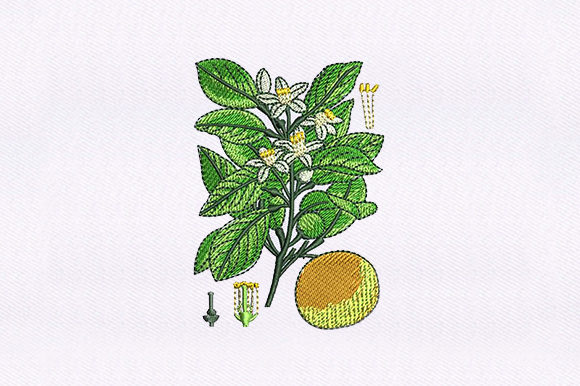
The Floral Vines Orange design belongs to the Single Flowers category, yet it feels far more expansive than a isolated bloom. The layout suggests movement, with vines that curl and extend in a way that mimics natural growth rather than rigid symmetry. This is crucial for modern crafters who are moving away from stiff, traditional motifs toward softer, botanical aesthetics. The visual personality here is warm and inviting, largely due to the implied color palette suggested by the title. Even before threading the machine, the design evokes the feeling of autumn harvests or late-summer gardens.
For an Etsy seller or boutique owner, this mood is a significant asset. It fits seamlessly into the current trend of cottagecore and rustic-chic home decor. However, a pretty preview is not enough. I needed to understand how the digitization handled the transition between the floral heads and the trailing vines. Poorly digitized vines often result in thread breaks or messy jump stitches, so I looked closely at the pathing. The design appears to prioritize continuous stitching where possible, which is a good sign for production efficiency.
Real-World Application: The Tote Bag Test
To evaluate the practical utility of Floral Vines Orange, I chose a classic project: a canvas tote bag. This is a staple item for any craft business, and it presents specific challenges regarding fabric texture and stability. Canvas is heavy and textured, which can sometimes swallow fine details. I hooped a medium-weight stabilizer alongside the fabric to ensure the stitch density of the design would not cause puckering.
The result was impressive. The vines maintained their clarity without sinking into the weave of the canvas. The satin stitch elements used in the flower petals provided a nice contrast against the matte background of the fabric. For a personalized gift or a small shop product, this level of definition is essential. Customers expect crisp lines, and this embroidery file delivered. I could easily imagine this design scaled slightly larger for a statement piece on a market bag, or kept at its current size for a subtle accent on a smaller pouch.
Versatility in Custom Apparel
Beyond home goods, I considered how this design would perform on custom apparel. A sweatshirt is a popular canvas for botanical designs, but the fleece fabric requires careful handling. The Floral Vines Orange design, with its moderate density, sits well on thicker fabrics without becoming too stiff. If you are creating sweatshirt embroidery for a fall collection, this design offers a sophisticated alternative to bold, blocky graphics. It appeals to buyers looking for understated elegance.
However, when moving to lighter fabrics, such as a cotton t-shirt or a baby onesie, caution is required. While the design is beautiful, the vine structures need adequate support. For baby embroidery, I would recommend using a cut-away stabilizer to prevent the garment from distorting after multiple washes. The soft, organic shapes are perfect for nursery decor or children’s items, but the technical execution must be flawless to ensure comfort and durability.
Navigating Potential Challenges
No design is universal, and Floral Vines Orange is no exception. There are specific scenarios where this design requires careful consideration. First, curved surfaces like caps or hats present a challenge for any vine-based motif. The curvature of the crown can distort the linear flow of the vines. If you plan to use this for an embroidered patch or a hat, I strongly advise creating a mockup to check the alignment. You may need to adjust the placement significantly to ensure the vines do not wrap awkwardly around the curve.
Additionally, consider the thread colors you choose. The design relies on contrast to define the separation between leaves and flowers. On dark fabrics, using light threads is essential, but you must ensure the fill stitch areas are dense enough to cover the background fabric completely. Conversely, on white or light fabrics, avoid using threads that are too similar in shade, as the details may get lost. Testing the design in black and white mockups can help you visualize the contrast levels before you commit to stitching.
Enhancing Product Value and Brand Consistency
From a business perspective, the quality of your design assets directly impacts customer trust. A clean, well-digitized Floral Vines Orange design signals professionalism. When customers see consistent stitch quality across your products, whether it is a tote bag design or a kitchen towel, they are more likely to return. This design supports brand consistency because its style is versatile enough to fit within various collections while maintaining a recognizable aesthetic.
For digital embroidery file sellers, providing clear previews and usage tips can enhance the perceived value of the product. If you are selling the finished product rather than the file, high-quality printable mockup images featuring this design can boost engagement on social media. The organic nature of the vines photographs well in natural light, making it an excellent choice for lifestyle marketing.
Practical Notes for the Embroiderer
Before you begin your next embroidery project with Floral Vines Orange, keep these practical tips in mind:
- Test on Scrap Fabric: Always stitch a test sample on the same type of fabric you intend to use for the final product. This allows you to adjust tension and stabilizer choices.
- Check Stitch Density: Review the density settings in your software. If the design feels too heavy for your fabric, consider reducing the density slightly to prevent puckering.
- Confirm Hoop Size: Ensure your hoop is large enough to accommodate the full spread of the vines without needing to re-hoop, which can lead to alignment issues.
- Inspect Small Details: Zoom in on the digitized file to check for any tiny, unnecessary stitches that might cause thread breaks.
- Licensing Verification: If you plan to use this for commercial embroidery or sell items made with this design, confirm the licensing terms provided by the creator. Never assume a file is free for commercial use unless explicitly stated.
In conclusion, Floral Vines Orange is a strong contender for designers looking to add a touch of botanical elegance to their repertoire. It performs well on a variety of materials, from sturdy canvas to soft fleece, provided the appropriate stabilizers are used. Its versatility makes it suitable for everything from holiday embroidery gifts to everyday handmade product lines. By paying attention to fabric choice and stitch parameters, you can leverage this design to create high-quality, professional-looking items that resonate with customers. It is a reliable tool for the modern maker, bridging the gap between digital precision and handmade charm.