Review: Floral Sewing Machine Embroidery Design
As an embroidery designer who spends countless hours digitizing and testing files for real-world application, I approach every new download with a critical eye. We all know that what looks stunning in a digital preview does not always translate seamlessly to fabric. Recently, I evaluated the Floral Sewing Machine collection available on Creative Fabrica to determine if it meets the rigorous standards required for commercial embroidery and high-quality handmade goods. This review breaks down the aesthetic appeal, technical performance, and practical viability of these designs for your next project.
First Impressions and Aesthetic Appeal
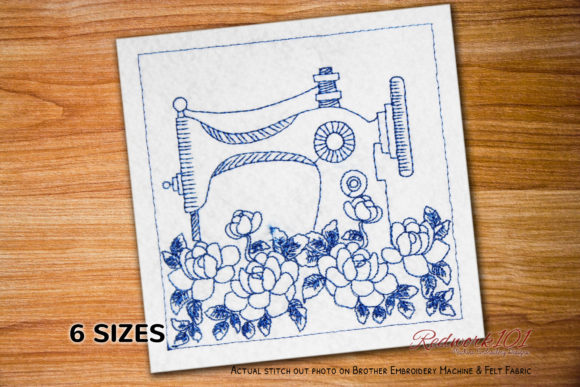
The initial visual impact of the Floral Sewing Machine series is one of delicate charm mixed with industrial nostalgia. The designs successfully merge organic floral elements with mechanical motifs, creating a unique juxtaposition that stands out in a saturated market. For designers looking to offer something beyond standard botanical patterns, this thematic blend offers a fresh narrative. The stitching personality appears balanced, avoiding the overly dense fills that can cause puckering while maintaining enough detail to look professional from a distance.
The decorative appeal here is versatile. It feels equally at home on a rustic linen tote bag as it does on a modern cotton sweatshirt. The mood is soft yet structured, which makes it an excellent candidate for brands aiming for a boutique, artisanal feel. When considering this for a handmade product line, the visual consistency across the set allows for cohesive collections, whether you are creating matching nursery decor or a series of kitchen textiles.
Performance in Real-World Projects
To truly assess the value of any machine embroidery design, we must look at how it performs on actual substrates. I considered several common applications for the Floral Sewing Machine files, focusing on items that require durability and frequent washing.
- Custom Apparel: For sweatshirt embroidery, the design’s scale seems appropriate for the chest or upper back. The interplay of satin stitch borders and fill stitch interiors suggests a texture that will hold up well on fleece or French terry, provided the correct stabilizer is used.
- Tote Bags and Aprons: Canvas and heavy cotton are ideal for these motifs. The structural elements of the design complement the sturdy nature of tote bag materials. A tote bag design featuring these florals would likely appeal to customers looking for eco-friendly, stylish accessories.
- Baby Items and Nursery Decor: The softer floral components make this suitable for baby blankets or pillow covers. However, when working with minky or plush fabrics, extra attention to hooping and stabilization is crucial to prevent sinking stitches.
- Embroidered Patches: These designs could be scaled down for patches. If you plan to create an embroidered patch line, ensure you test the smallest details to confirm they remain legible after cutting and merrowing.
For Etsy sellers and small business owners, the versatility of this embroidery file set means you can maximize your return on investment by applying the same asset across multiple product categories, from caps to kitchen towels.
Technical Considerations and Stitching Notes
While the aesthetics are promising, technical execution is where many projects fail. Here are specific factors to consider when working with the Floral Sewing Machine designs:
Fabric and Stabilizer Selection
The success of any commercial embroidery project hinges on the relationship between the thread, fabric, and stabilizer. For stretchy fabrics like jersey knits used in custom apparel, a cut-away stabilizer is non-negotiable to maintain shape integrity. For woven fabrics like those used in aprons or pillow covers, a tear-away may suffice, but a mesh stabilizer can add necessary body without adding bulk.
Density and Thread Colors
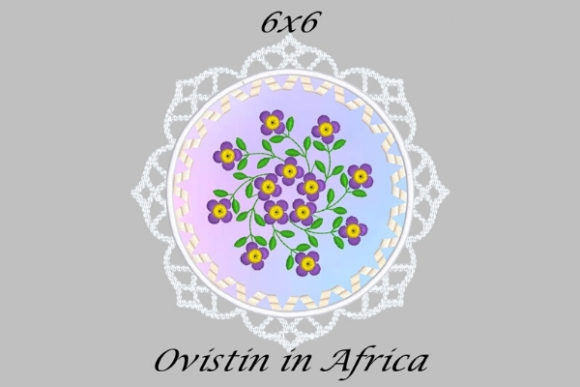
One notable feature mentioned in the product description is that the box stitch shown in previews is optional, and the outer box color often differs unless it is part of the design itself. This flexibility is a significant advantage. It allows you to skip unnecessary outlines if they do not suit your fabric choice. However, you must review the stitch density carefully. Dense areas can perforate delicate fabrics, so always run a test stitch on scrap material identical to your final product.
Regarding thread colors, the contrast is key. On dark fabrics, ensure your thread choices provide sufficient visibility for the finer details of the sewing machine motifs. On light fabrics, subtle tonal variations can create a sophisticated, understated look. Always compare light and dark fabric mockups before committing to a large production run.
Hoop Size and Placement
Before purchasing, verify the hoop size compatibility. While specific dimensions are not listed in the brief description, most Creative Fabrica embroidery designs come in multiple sizes. Ensure the largest size fits your machine’s maximum hoop capacity. For curved surfaces like caps, you may need to resize the design to fit a smaller cap frame, which requires checking that the text or intricate floral details do not become too small to stitch cleanly.
Enhancing Product Value and Brand Trust
In the competitive world of online handmade sales, presentation is everything. Using high-quality design assets like the Floral Sewing Machine collection can significantly elevate your brand perception. A well-executed embroidery piece signals craftsmanship and attention to detail, which builds buyer trust.
When creating listings for personalized gifts or seasonal items, the unique combination of flora and machinery offers a storytelling angle. You are not just selling a towel; you are selling a piece of art that blends nature with craft. This narrative can enhance customer engagement and justify a higher price point. Furthermore, consistent use of these designs across your product line helps establish brand consistency, making your shop recognizable and memorable.
For digital product sellers, these files can also be used to create realistic printable mockup images. High-resolution renders of the Floral Sewing Machine design on various products can be used in marketing materials, social media posts, and website banners to attract potential buyers before you even stitch a single item.
Practical Steps Before You Stitch
To ensure the best results with this digital embroidery file, follow these practical steps:
- Check Licensing: Always confirm the license terms on the Creative Fabrica product page. Understand whether you are allowed to sell finished physical items and if there are any restrictions on mass production.
- Test on Scrap Fabric: Never stitch directly on your final garment. Use scrap pieces of the exact same fabric and layering to test tension, density, and registration.
- Inspect Small Details: After stitching, examine the smallest floral elements and mechanical lines. If they appear jagged or loose, adjust your tension or slow down your machine speed.
- Verify File Formats: Ensure the download includes the file format compatible with your specific embroidery machine (e.g., PES, DST, JEF). If not explicitly stated, check the product details or contact the designer.
- Consider Washing Instructions: For items like baby blankets or kitchen towels that undergo frequent washing, use high-quality rayon or polyester threads that resist fading and bleeding.
Final Verdict
The Floral Sewing Machine collection offers a compelling mix of whimsy and structure that can serve a wide range of embroidery projects. For designers seeking to expand their portfolio with unique, conversation-starting motifs, this set is worth considering. Its adaptability across various substrates—from sturdy canvas to soft knits—makes it a valuable addition to your library of Creative Fabrica embroidery resources. By paying close attention to stabilizer choice, thread contrast, and hoop placement, you can transform these digital files into stunning, high-value finished products that resonate with customers and elevate your brand.
Remember, the key to successful commercial embroidery lies not just in the design itself, but in the meticulous preparation and testing that precedes the final stitch. Take the time to understand the nuances of this design, and it can become a staple in your creative toolkit.